
Before you spiral into an existential content crisis, here’s the truth: Zero-click behavior isn’t failure—it’s the new frontier. In 2025, savvy marketers are flipping the funnel and winning the game without the click.
Welcome to Zero-Click Marketing, where the ROI isn’t in pageviews—it’s in presence, perception, and positioning.
In this guide, I’ll walk you through 7 powerful zero-click trends, real-world tactics to harness them, and why playing the no-click game smartly might be your brand’s biggest competitive edge this year.
Let’s dive in.
🤖 1. Google’s AI-Powered Answers: Your Content, Their Credit
Google in 2025 is basically your overachieving group project partner—it grabs your content, rewrites it in Bard’s voice, and leaves you out of the credits.
AI-generated summaries and zero-click SERP features like:
- Featured Snippets
- Knowledge Panels
- “People Also Ask”
- AI Overviews (formerly SGE)
…are now the end destination for users. They don’t need to click through—they got what they came for.
💡 Takeaway: Optimize for SERP visibility, not just rankings
- Use schema markup (FAQ, HowTo, Product) to get noticed by AI crawlers
- Structure content with clear headers, bullet points, definitions, and concise summaries
- Write like you’re answering a question—because Bard literally is
Example: Instead of “How to grow Instagram reach” as a vague title, go with “5 Fast Ways to Grow Instagram Reach in 2025 [Answered]”—it’s snippet bait.
📱 2. Social Media as the New Homepage
Remember when websites were the mothership? Now your TikTok profile is the homepage, and your Instagram Stories are the newsletter.
More and more users are:
- Discovering brands via Reels, Shorts, and Threads
- Making purchase decisions without visiting your site
- DM’ing, commenting, and following—without clicking links
💡 Takeaway: Treat every post like a full experience
- Put key info in the post: price, benefits, CTA, even how to buy
- Use native tools: Instagram Shops, TikTok In-App Stores, LinkedIn Lead Forms
- Create “micro-content” that satisfies curiosity or solves a pain point right there
Pro tip: A well-designed carousel post can out-perform a blog link—because users don’t have to leave the app.
🧠 3. Thought Leadership on LinkedIn: Influence Without Exit
LinkedIn’s algorithm now boosts native posts over external links. The result? Your 900-word leadership rant might go viral—but bring zero clicks to your site.
And yet…you just booked a podcast, got a sales inquiry, and landed a new consulting gig. Coincidence? Not at all.
💡 Takeaway: Write to be remembered, not redirected
- Share full stories, frameworks, or advice in the post
- Use strong hooks and emotional intelligence to keep attention
- Add “comment to get the PDF” or “DM for templates” instead of link drops
Example: Instead of linking your blog post, break it down into a 4-slide carousel, and end with “Would this help your team too? Let’s talk.”
🧭 4. Google Maps & Local Zero-Click SEO
For local businesses, Google Maps is no longer a traffic driver—it’s the whole storefront.
In 2025, users:
- Book appointments directly via your Business Profile
- Call or message you without visiting your site
- Choose based on reviews, images, and real-time hours
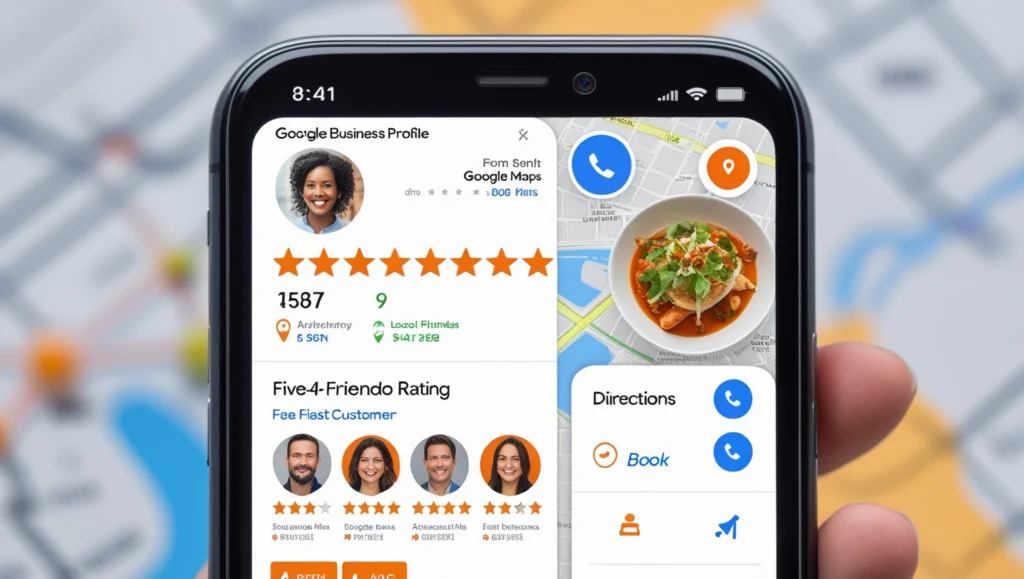
💡 Takeaway: Treat your Google Business Profile like your best landing page
- Keep NAP (Name, Address, Phone) info accurate and updated
- Add high-quality photos and weekly posts
- Encourage and respond to reviews—they are your trust signals
Bonus: Use attributes like “Black-owned,” “Women-led,” “Open late,” etc. to show up in filtered searches.
📣 5. AI Summaries on Social & News Aggregators
Reddit, X (formerly Twitter), Quora, and Threads now include AI-powered “Summary of Comments” or “Summary of Article” sections.
Even if someone posts your blog, users might only see:
“TL;DR: The post says X, Y, and Z. Here’s a community take…”
Great for awareness. Terrible for traffic—unless you adapt.
💡 Takeaway: Contribute to the discussion, not just the source
- Post your own synopsis of your article where it’s shared (Reddit, X, etc.)
- Write “self-contained” summaries with value and your perspective
- Use branded templates or visuals that subtly promote your identity
Example: On Reddit, comment:
“Hey! I’m the author of this—here’s a TL;DR plus a quick template you can screenshot 👇”
Now you’ve added value and established authority—without needing a click.
🛍️ 6. Shoppable Media: Transactions Inside the Scroll
E-commerce is now frictionless, thanks to:
- Instagram and TikTok Shops
- YouTube shoppable videos
- Pinterest Product Pins
Zero-click marketing here means: the ad, product demo, and checkout all happen without leaving the platform.
💡 Takeaway: Treat social commerce like QVC meets Buzzfeed
- Use short-form video to demo the product, not just hype it
- Add UGC-style content with real reviews
- Tag products directly in the content
- Include price, sizing, and answers to objections in the caption or video
Example: A 15-second TikTok with “This mascara passed the cry-test 💧” and a product tag will outperform a static link-in-bio every time.
📊 7. Analytics Adaptation: Measuring What Can’t Be Clicked
If you’re still using CTR as your holy grail, 2025 will be a rude awakening. With zero-click content, success looks like:
- Saves, shares, comments
- Search appearances and profile views
- “Dark social” mentions (DMs, Slack, email forwards)
- Brand search volume growth

💡 Takeaway: Rethink your KPIs
Track these instead of (or in addition to) clicks:
- “Share of SERP”: How often you show up on page one
- Engagement-to-impression ratio on social
- Brand mentions across platforms (use tools like Brand24 or SparkToro)
- Conversion from indirect referrals (“found you via your LinkedIn post”)
Pro tip: Ask new leads “Where did you find us?”—you’ll be surprised how many never clicked before reaching out.
🎯 TL;DR – Zero-Click Is the New Power Move
Let’s be real: clicks aren’t dead, but they’re no longer the crown jewel.
Zero-click marketing is about being the answer, the vibe, or the top-of-mind brand wherever your audience is already hanging out.
Key lessons:
- Optimize for SERP visibility, not vanity rankings
- Design self-contained content that lives happily on social
- Embrace native tools (shops, forms, summaries, carousels)
- Measure what matters—even when they don’t click
Because in 2025, if they remember you, trust you, and buy from you—without ever clicking your link—you’ve still won.
💬 What’s Your Zero-Click Strategy?
Have you seen zero-click behavior affect your brand? Are you leaning into it—or resisting?
Drop your thoughts in the comments, or share this post with a marketing friend who’s still chasing pageviews like it’s 2012.
No click required 😉
🙋♀️ Frequently Asked Questions (FAQs) About Zero-Click Marketing in 2025
❓What is zero-click marketing?
Zero-click marketing refers to content strategies where users get value without needing to click through to another page or website. This includes content that answers questions directly in Google search results, social media posts with all key information, and in-app shopping experiences. The focus is on brand visibility and engagement, not traffic.
❓Why are zero-click searches increasing?
Because platforms like Google, TikTok, Instagram, and LinkedIn want to keep users on their platforms longer. Features like AI Overviews, featured snippets, in-app purchases, and native lead forms reduce the need for users to leave the platform—resulting in more zero-click behavior.
❓Is zero-click traffic bad for my website?
Not necessarily. While it may reduce direct website visits, zero-click content can still grow brand awareness, increase conversions, and lead to indirect traffic or offline actions (DMs, calls, store visits). The key is to measure success with new KPIs like visibility, engagement, and lead quality.
❓How do I measure the success of zero-click content?
Here are key metrics to track:
- Search visibility (via Google Search Console or tools like Ahrefs)
- Impressions, shares, and saves on social platforms
- Branded search volume growth
- Direct messages or form submissions on-platform
- Dark social feedback (e.g., “I saw your post on LinkedIn”)
❓What platforms are best for zero-click strategies?
Zero-click marketing works best on platforms where native engagement is strong, such as:
- Google Search (via featured snippets and AI Overviews)
- TikTok and Instagram (with shoppable content)
- LinkedIn (native thought leadership posts)
- Reddit, Quora, and Threads (where answers often get summarized or shared in-line)
❓How can I optimize content for zero-click success?
Here are 5 quick tips:
- Use clear headers, summaries, and list formats in blog content
- Structure social posts like mini-articles or how-tos
- Add schema markup to your site (FAQs, HowTo, Product, Review)
- Include product tags and all key info in social posts
- Engage in comment sections with extra context or value
❓Can I still drive conversions with zero-click content?
Yes! Many brands are seeing increased conversions through:
- Social media DMs (“I want to buy—how do I order?”)
- In-app store purchases (TikTok Shops, Instagram Shopping)
- Native lead forms (LinkedIn, Facebook)
- Local calls or bookings from Google Maps
You just need to shift your funnel strategy to meet users where they are.
❓Is zero-click marketing right for B2B companies?
Absolutely. B2B brands can benefit from:
- Authority-building posts on LinkedIn
- Answering niche queries in featured snippets
- Offering downloadable assets through comment-driven posts
- Publishing helpful advice directly on platforms like Threads or Reddit
Many B2B conversions happen after several brand touchpoints, not a single click.