Introduction: Why Pinterest Is a Strategic Goldmine for Digital Marketers
If Instagram is the vibrant, buzzing party and LinkedIn is the structured, suit-and-tie conference, Pinterest is the serene and well-curated academic library—deep, evergreen, and meticulously organized. Pinterest transcends traditional social media; it operates more like a visual-first search engine cloaked in a mood board interface. Whether it’s a future bride planning a sustainable wedding or a niche ecommerce owner curating a product showcase, Pinterest users arrive with intent. They aren’t aimlessly scrolling—they’re strategizing. And that level of purposeful engagement is pure gold in the world of marketing.
Whether you’re a content strategist, small business owner, digital creator, or brand manager aiming to boost ecommerce or blog visibility, Pinterest offers an effective and scalable solution. It’s an ecosystem that rewards long-form thinking, visual storytelling, and intelligent content optimization. When executed strategically, Pinterest can evolve into one of the most ROI-rich marketing platforms in your digital toolkit.
In this guide, we’ll explore advanced Pinterest marketing tips, Pinterest SEO for business, and tactical methods for leveraging Pinterest to drive traffic and brand visibility.
1. Understanding Pinterest’s User Behavior: Search-Driven, Purposeful, and Long-Lasting
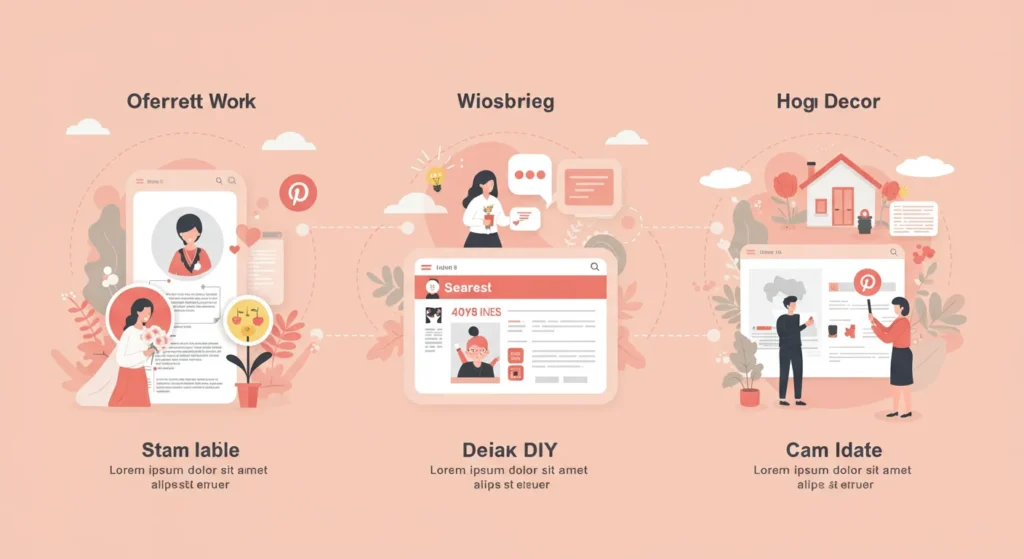
Compared to platforms like Instagram or TikTok, where content engagement drops within 48 hours, Pinterest offers content longevity. Your content, once pinned, can drive traffic for months or even years.
Why this matters academically and strategically:
- Pinterest users are intentional—creating boards for specific goals like holiday planning or brand inspiration.
- Their searches have utility—they’re searching to act, not just observe.
- Pinterest favors evergreen content. For instance, a Pin titled “How to Build a Capsule Wardrobe” can remain discoverable for years.
- Content that solves problems or provides actionable solutions performs best.
Strategic Recommendation:
Approach Pinterest with an SEO-first mentality. Think of it as a search engine. Prioritize content quality and relevance over virality.
Academic Tool Tip: Utilize Pinterest Trends (trends.pinterest.com) to identify search patterns and align your academic or content publishing calendar accordingly.
2. Designing Attention-Grabbing Pins That Facilitate Cognitive Engagement
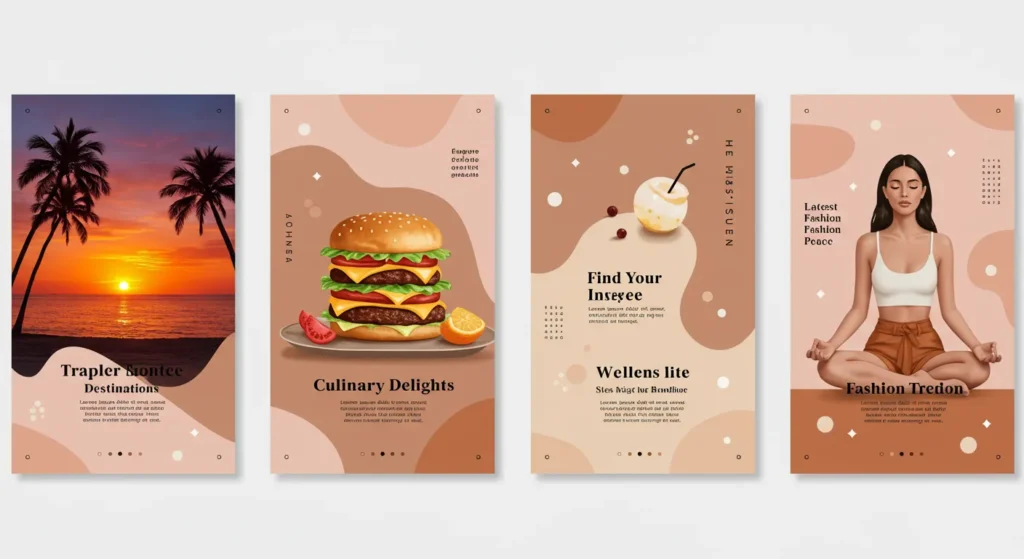
In a saturated media environment, visual appeal is non-negotiable. Pins should be designed to attract, engage, and convert within a few seconds.
Effective design elements:
- Use a 2:3 vertical layout (optimal: 1000 x 1500 px).
- Select emotionally resonant, high-resolution images.
- Apply bold, legible typography with strong color contrast.
- Overlay compelling, benefit-focused messaging (e.g., “10 Research-Based Study Hacks”).
- Maintain brand identity—colors, typography, and logo placement.
- Minimize visual noise to enhance cognitive processing.
Design Tool Tip: Platforms like Canva and Adobe Express offer academic or brand-specific templates to expedite the process.
Example in Practice:
A well-crafted Pin titled “Mindful Study Habits for Burnout Recovery” with calming pastel tones and inviting CTA such as “Explore All 10 Research-Backed Tips” will outperform a generic image without context.
3. Implementing Pinterest SEO: Optimizing Descriptions for Algorithmic Discovery

Pinterest’s algorithm mirrors traditional search engine principles—content discovery is driven by keywords, metadata, and user engagement.
Keyword placement areas:
- Pin titles and detailed descriptions
- Board titles and descriptions
- Profile bio (brand or academic identity)
- ALT text on linked images
- Linked blog post titles, URLs, and headers
- Overlay text on Pin visuals
Keyword Research Methodologies:
- Utilize Pinterest’s search bar for autocomplete suggestions.
- Analyze competitors’ Pins for recurring keyword patterns.
- Explore Pinterest Trends to identify seasonal keywords.
- Construct audience-centric queries—use language your users would naturally search.
Example (Poor SEO): “Check this out!”
Example (Strong SEO): “Affordable Travel Itineraries for Budget-Conscious European Backpackers.”
Strategic Tip: Prioritize long-tail keywords like “easy vegetarian recipes for students” over broad terms. They are easier to rank for and better match user intent.
4. Board Structuring: Optimize for Both Human Browsing and Machine Indexing
Boards aren’t merely thematic containers—they are critical for SEO and user experience.
Strategic Board Development Steps:
- Focus on sub-niche themes aligned with your subject matter expertise (e.g., “Neuroscience-Inspired Productivity Tips” instead of “Productivity”).
- Optimize board titles and descriptions with relevant keywords.
- Curate with a blend of proprietary and third-party Pins (15-30 minimum).
- Update consistently to reflect content freshness.
- Utilize specificity—niche boards generally rank better than broad categories.
Example in Practice:
A beauty brand might build boards like “Clean Skincare Routines for Sensitive Skin” or “DIY Natural Beauty Hacks.”
Strategic Framework:
Think of each board as a thematic hub supporting a broader content pillar strategy, similar to academic topic clusters.
5. Consistency and Frequency: Creating a Reliable Content Cadence
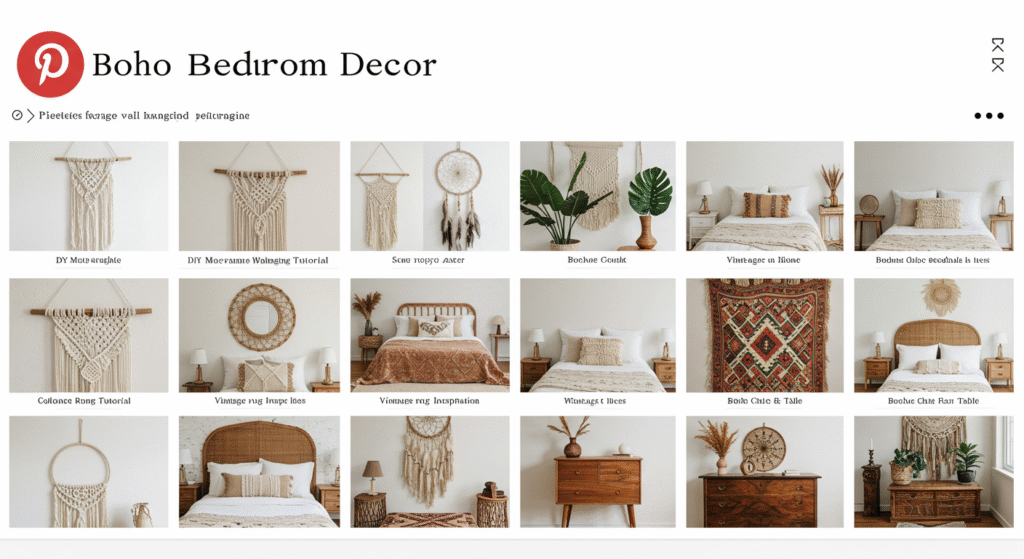
Pinterest values consistency—not just in content quality but also in publishing frequency.
Posting Cadence Guidelines:
- Aim for 5–15 Pins per day.
- Publish during optimal time slots—typically evenings and weekends.
- Use scheduling tools like Tailwind or Pinterest’s native scheduler.
- Maintain a 70% proprietary content and 30% curated content ratio.
Example of a Weekly Strategy:
- Monday: Pin new blog content to multiple niche boards
- Tuesday: Curate and repin topic-adjacent content
- Wednesday: Pin seasonal or trending visual content
- Thursday: Repurpose legacy blog content with new visuals
- Friday: Pin product promotions with updated CTAs
- Weekend: Share lifestyle-focused, brand-aligned content
Tactical Tip: Begin scheduling holiday-related content six weeks in advance to catch early search traffic.
6. Enabling Rich Pins for Enhanced Metadata and Trustworthiness

Rich Pins enhance the metadata associated with your content, allowing for dynamic updates and better user trust.
Benefits of Rich Pins:
- Display real-time product or article metadata
- Automatically update with website changes
- Increase visual and informational value
- Improve CTR through enriched context
Activation Steps:
- Implement Open Graph or Schema.org tags (use plugins like Yoast for WordPress).
- Use Pinterest’s Rich Pin Validator for approval.
- Await platform confirmation.
Advanced Tip: Use Article Pins for blog posts—these auto-populate with your post title, author, and meta description.
7. Utilizing Pinterest Ads to Accelerate Organic Success
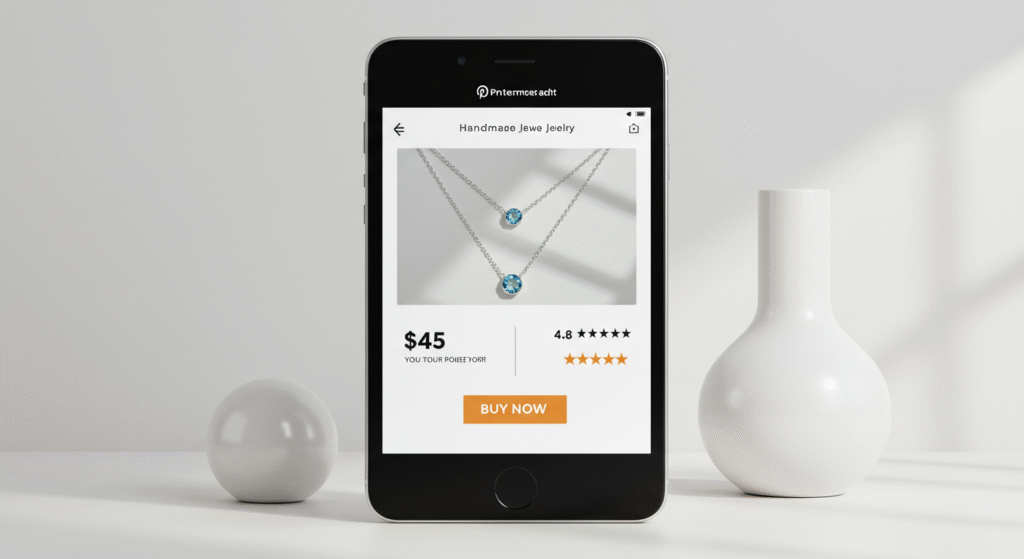
Pinterest Ads offer scalable options to enhance brand discovery and drive conversions, especially in ecommerce sectors.
Ad Format Options:
- Standard Pins (boost organic content)
- Video Pins (great for education or demos)
- Carousel Pins (highlight multiple features or SKUs)
- Shopping Pins (integrate with your catalog)
- Idea Pins (interactive storytelling)
Targeting Capabilities:
- Audience interests
- Keyword-based targeting
- Demographics (age, gender, geography)
- Custom and actalike audiences
Example Application:
An Etsy shop promotes a “Personalized Baby Blanket” Pin to users searching for nursery themes.
Budgeting Tip: Begin with $5–$10/day and run A/B tests with different creative variants (colors, CTAs, headline styles).
8. Analytics and Optimization: Evidence-Based Iteration

Analytics should guide your Pinterest strategy, allowing for informed decisions that enhance performance over time.
Key Performance Metrics:
- Impressions: Frequency of Pin appearance
- Saves: Bookmark frequency
- Outbound Clicks: Site referral traffic
- Top Performing Pins: High-engagement content
- Engagement Rate: Clicks, saves, and actions per impression
Data Application Strategies:
- Double down on high-performing topics
- Recycle successful content across boards
- Identify patterns in high CTR Pins
- Refresh or retire underperforming visuals
Pro Tip: Integrate Pinterest data with Google Analytics to track onsite user behavior and conversions.
9. Converting Pinterest Engagement Into Blog and Ecommerce Traffic
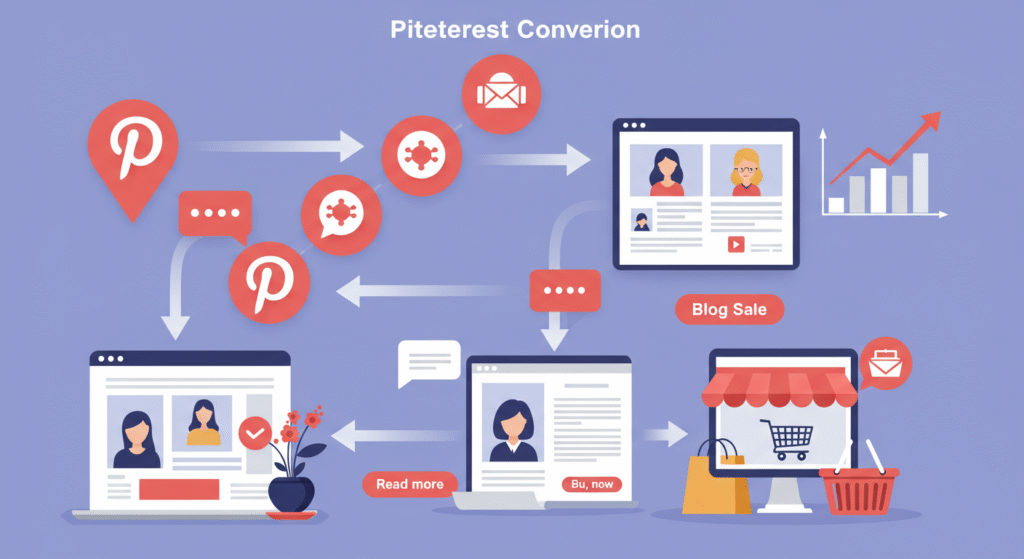
Pinterest users are predisposed to action. With strategic optimization, you can funnel this intent into tangible results.
Conversion Techniques:
- Add actionable CTAs on Pins (e.g., “Explore the Full Report”)
- Link to targeted landing pages, not just homepages
- Create Pinterest-optimized content: listicles, infographics, step-by-steps
- Embed vertical visuals and social sharing buttons on your site
Examples:
- A nutrition blogger pins “Top 7 Anti-Inflammatory Foods for Students” linked to a detailed article
- An ecommerce store pins “Fall Essentials Bundle” linked to product pages
- A coaching brand promotes a “Sunday Reset Checklist” that leads to an opt-in form
Implementation Tip: Include a unique, branded Pin in every blog post to encourage sharing and reinforce brand identity.
10. Prioritizing Fresh Pins: Sustaining Momentum with Visual Variation
Pinterest prioritizes fresh content based on visual distinctiveness, not just new links.
Fresh Content Strategies:
- Design multiple visual variants for each blog post or product
- Alter color schemes, overlay text, or image layout
- Rotate fresh Pins across multiple boards and time slots
- Adjust CTA phrasing to match performance insights
Example Framework: For “10 Creative Dorm Room Hacks,” design:
- A minimalist version
- A cozy, eclectic aesthetic version
- A dark academia variant
- A quote-centric design
- An infographic-style layout
Pro Tip: Produce 3–5 variants per core asset and schedule rotation to maintain freshness and algorithmic favor.
Conclusion: Leveraging Pinterest as a Scalable Marketing Engine
Pinterest offers unique value to content creators, academics, and digital marketers: longevity, search intent, and visual inspiration converge to create a platform ideal for sustained traffic and brand engagement.
To maximize your Pinterest presence:
- Understand your audience’s intentions and search behaviors
- Develop visually compelling, optimized content
- Structure boards strategically to boost discoverability
- Maintain a steady flow of fresh, relevant Pins
- Incorporate paid promotions when organic growth plateaus
- Use analytics to drive continual improvement
Pinterest marketing isn’t about luck—it’s about strategic execution. With a methodical approach, you can turn Pins into long-term assets.
Have strategies that work for your niche? Questions about integrating Pinterest into your content plan?
Drop a comment or share this with a colleague. Let’s create a smarter Pinterest presence—together.
Happy Pinning, Strategist! 📌