
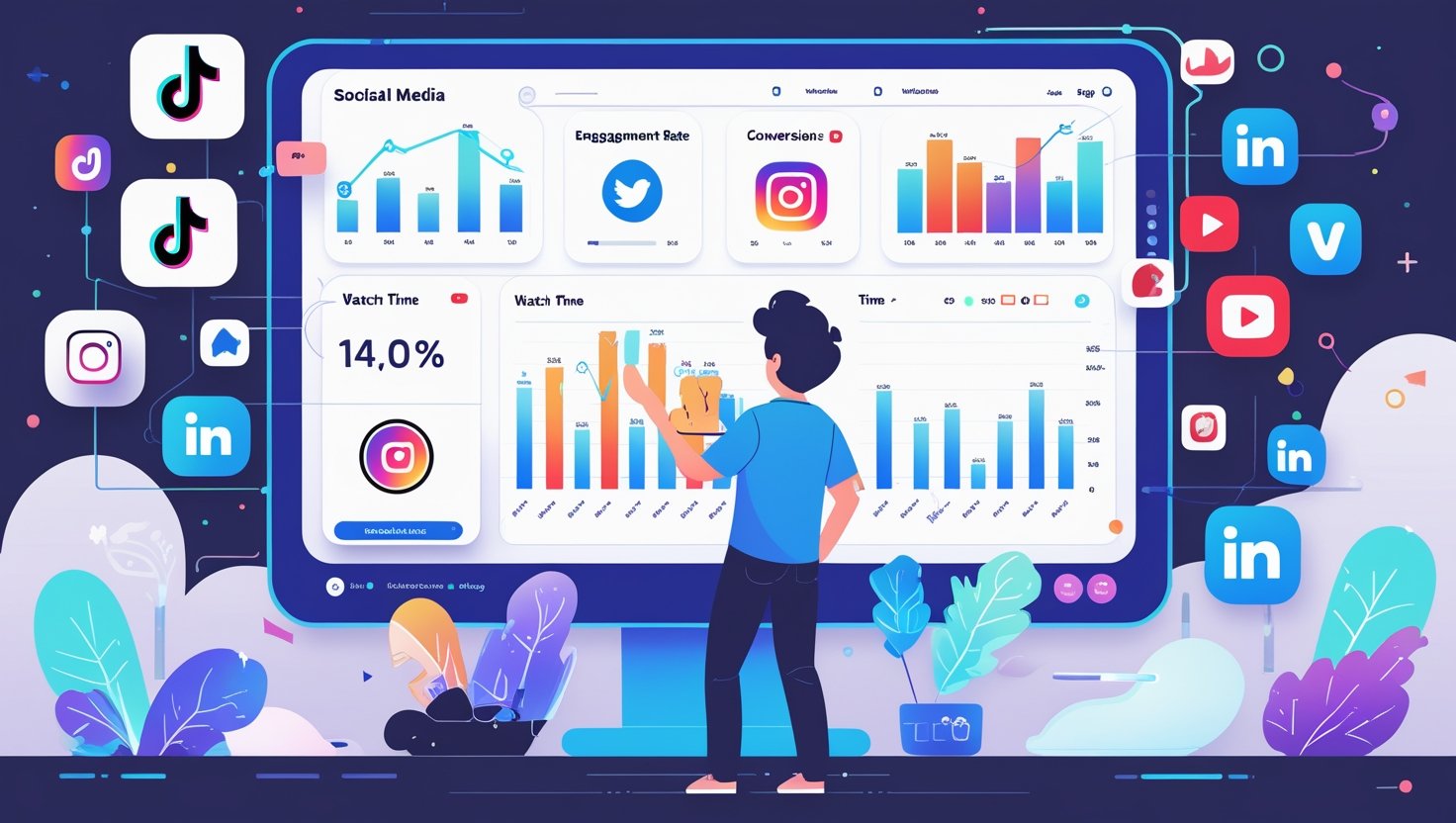

Ah, social media analytics. The phrase alone is enough to make a creator’s eyes glaze over, a marketer’s heart race, and a business manager quietly open Excel “just in case.” But here’s the thing: understanding what’s actually going on behind those likes, shares, and mysterious “engagement scores” isn’t just optional anymore—it’s mission-critical.
In 2025, the social media game has evolved. Platforms are smarter, algorithms are sneakier, and attention spans are shorter than a TikTok soundbite. If you want to win (or at least not throw your budget into the void), you need to know which metrics really matter—and which ones are just vanity numbers dressed in data’s clothing.
Whether you’re a content creator chasing virality, a digital marketer fine-tuning ad performance, or a business manager who doesn’t have time for fluff, this post is your no-BS guide to mastering social media analytics in 2025.
Let’s break it down, trend by trend, metric by metric—with some actionable takeaways you can start using today.
1. Engagement Rate Is Still King—But Only When Contextualized

We’ve said it for years: engagement rate is the crown jewel of social metrics. But in 2025, it’s less about the raw number and more about how it’s performing relative to platform, audience, and format.
Why it matters: A 3% engagement rate on Instagram Reels might be stellar, while the same rate on LinkedIn could mean something very different. Platforms are evolving at breakneck speed, and audience behaviors are shifting with them.
Key components of engagement:
- Likes, comments, shares, and saves
- Post reactions and emoji responses (especially on Facebook and LinkedIn)
- Story interactions (polls, quizzes, link clicks)
- Watch time on videos and Reels
✅ Pro Tip: Instead of aiming for an arbitrary “good” engagement rate, benchmark your content against your own past performance and competitors in your niche.
📌 Example: If your Instagram Carousel post got a 4.2% engagement rate last week, and your average is 3.1%, you’ve got a winner. Double down on that format or topic!
2. Watch Time > Views for Video Content
Views are the potato chips of video metrics: quick, easy to get, but not very nutritious. In 2025, platforms like TikTok, YouTube Shorts, and Instagram Reels prioritize watch time when determining algorithmic reach.
Why it matters: A 10-second view of your 2-minute video doesn’t signal quality or relevance. Watch time, however, shows how captivating your content really is.
What to track:
- Average watch duration
- Completion rate (especially for short-form)
- Drop-off points
✅ Pro Tip: Use retention graphs to find where viewers are dropping off. Was it the intro? A long explanation? Edit smarter next time.
📌 Example: If you’re seeing 75% completion on a 30-second TikTok about your product, you’re cooking with gas. Consider making a series or turning that into an ad.
3. Saves and Shares Are the New “Likes”

Gone are the days when likes alone meant success. In 2025, saves and shares are the real MVPs, especially on Instagram and TikTok. These actions signal deep value and high intent—ideal for algorithm boosting and audience growth.
Why it matters: Shares introduce your content to new eyeballs. Saves imply the content is so valuable that the user wants to revisit it. Both tell the algorithm: “This post is legit.”
What to track:
- Save-to-like ratio
- Share-to-view ratio
- Saves per post (especially for tutorials and carousels)
✅ Pro Tip: Ask yourself: “Would I save this if I didn’t make it?” If the answer is no, go back to the drawing board.
📌 Example: A skincare brand posts an educational carousel: “5 Ingredients to Avoid in Sunscreen.” It gets 1,200 saves—double the likes. That’s gold. Turn it into a blog post, email campaign, or video series.
4. Conversion Metrics Are Finally Coming Front and Center
Clicks are cute, but conversions close the deal. In 2025, brands and marketers are doubling down on trackable, measurable outcomes—from lead generation to purchases to app installs.
Why it matters: Impressions and reach may build awareness, but ROI lives and dies by conversion. Period.
Key conversion metrics:
- Click-through rate (CTR)
- Cost per acquisition (CPA)
- Revenue per click (RPC)
- Add-to-cart and purchase events from social ads
✅ Pro Tip: Don’t just track CTR—connect the dots all the way to purchase or signup. Use tools like Meta Pixel, Google Analytics 4, and UTM parameters to trace the full journey.
📌 Example: A paid Facebook campaign for an online course gets 3.5% CTR, but the landing page isn’t converting. The problem isn’t the ad—it’s the funnel. Optimize your conversion flow, not just the creative.
5. Social Listening Metrics Reveal the “Why”
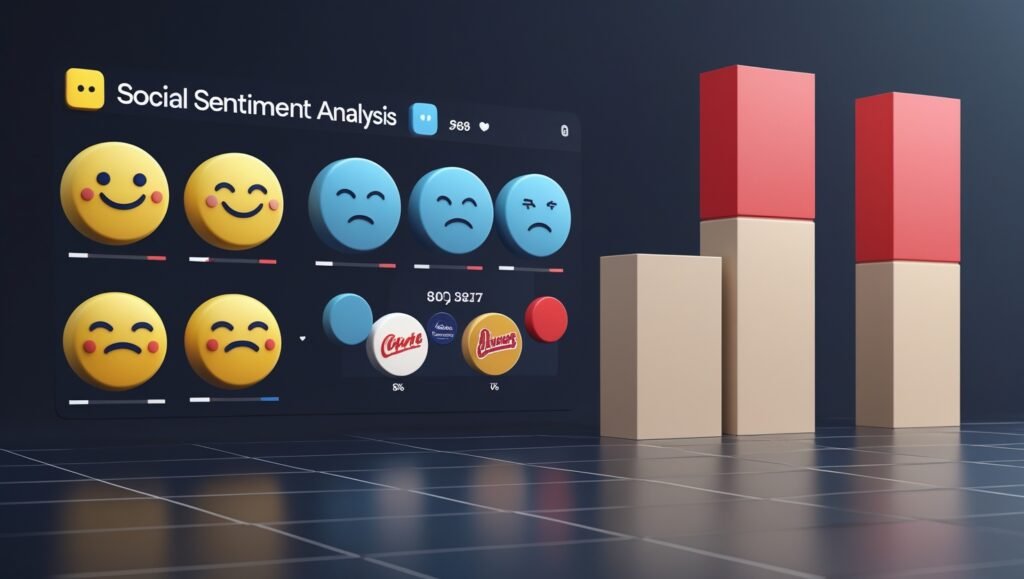
Beyond likes and shares, social listening tells you how your audience feels—and that insight is priceless. In 2025, brands are diving into sentiment analysis, keyword tracking, and brand mentions across platforms.
Why it matters: Social listening helps you stay ahead of trends, avoid brand missteps, and connect with your audience in a more human way.
Tools to use:
- Brand24
- Sprout Social
- Meltwater
- Talkwalker
✅ Pro Tip: Track branded hashtags, common misspellings, and competitor mentions. What people don’t tag you in can still impact your brand.
📌 Example: A fast-food chain notices an uptick in negative sentiment on Twitter about a new product. Instead of ignoring it, they pivot messaging and reply to key complaints—boosting public perception and salvaging the launch.
6. Platform-Specific Metrics Are Crucial
In 2025, no two platforms are the same—and neither are their metrics. Instagram prioritizes interactions, TikTok loves retention, LinkedIn values comments, and YouTube rewards watch time.
Why it matters: Measuring every platform with the same yardstick leads to bad strategy and missed opportunities.
What to do:
- Align KPIs with platform strengths
- Customize content and analysis per channel
- Use native analytics dashboards (Instagram Insights, TikTok Analytics, etc.)
✅ Pro Tip: Build a “platform playbook” with benchmarks and goals for each channel you use.
📌 Example: On LinkedIn, your carousel about leadership gets more comments than your motivational quote posts. That tells you the algorithm favors content that sparks conversation—so lean in!
7. Audience Growth Metrics Aren’t Just About Follower Count

Yes, we all want more followers. But in 2025, it’s not about how many—it’s about who and how engaged. Quality beats quantity every time.
Why it matters: A highly engaged audience of 5,000 can outperform a passive crowd of 50,000. Period.
What to track:
- Follower growth rate
- Source of new followers (ads, explore, mentions)
- Demographics and location data
- Follower churn rate (aka unfollows)
✅ Pro Tip: Compare follower growth to engagement trends. If you’re growing but engagement is dropping, you might be attracting the wrong crowd.
📌 Example: A fitness coach sees a spike in followers after a viral Reel, but engagement dips. Turns out the viral content attracted the wrong niche. Time to recalibrate your messaging.
8. Algorithm Signals Are Shaping Analytics
In 2025, social media algorithms are smarter than ever—and some are openly telling us what they like (hello, TikTok Creator Center). Analytics isn’t just about results anymore—it’s about understanding what the algorithm sees.
Why it matters: Your content’s fate is determined by machine learning models that favor certain behaviors (watch time, dwell time, saves). If you know what they reward, you can tailor your strategy accordingly.
Algorithm-friendly signals:
- Hook in first 3 seconds (video)
- Meaningful comments
- Regular posting cadence
- Prompt responses to DMs and comments
✅ Pro Tip: Design content with both humans and algorithms in mind. Sometimes what feels natural to an audience also aligns with machine logic.
📌 Example: On TikTok, your first-second visual hook (e.g., bold text like “STOP SCROLLING”) improves watch time by 18%. That helps the algorithm push your video further. Science meets art!
9. Stories and Disappearing Content Need New Metrics
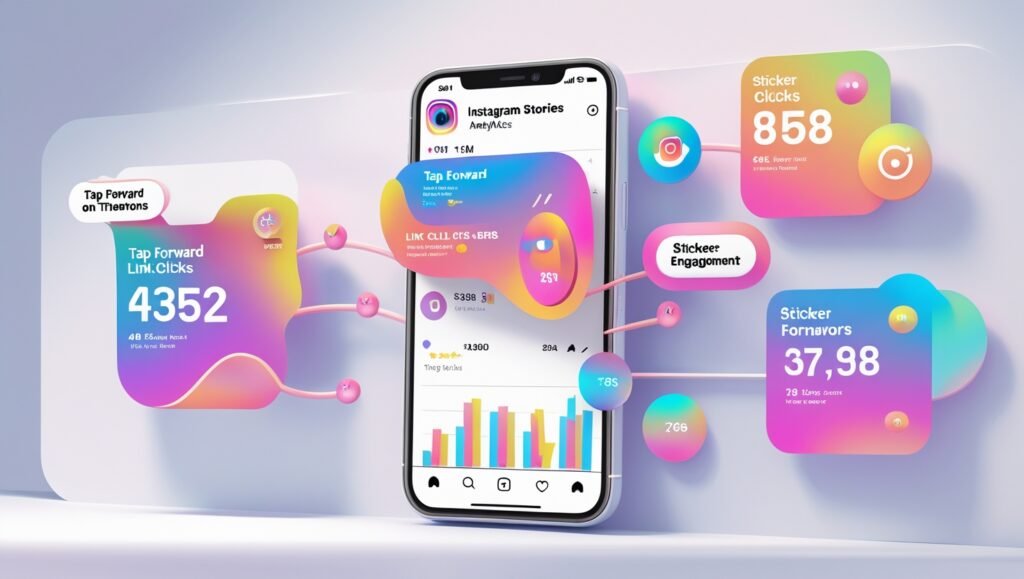
Stories, ephemeral posts, and live video are still big in 2025, but their analytics are often overlooked because they’re temporary. That’s a mistake.
Why it matters: Stories often capture your most engaged audience—the ones who want daily updates, behind-the-scenes, or real-time content.
What to measure:
- Story completion rate
- Taps forward/backward
- Link clicks
- Engagement with stickers (polls, quizzes, etc.)
✅ Pro Tip: Use interactive stickers to gauge interest and increase dwell time. That feedback loop is gold.
📌 Example: A SaaS company runs a poll in Stories—“What’s your biggest productivity challenge?” The answers inspire a blog post, email series, and new content strategy.
10. Community Metrics Are the Secret Weapon
In a world where creators build empires and brands act like people, community is currency. In 2025, tracking community metrics helps you build trust, not just clicks.
Why it matters: The strongest brands foster loyal, vocal, and emotionally invested audiences. Metrics like comment depth, DMs, and community retention show real-world loyalty.
What to track:
- DM response rate and speed
- Repeat commenters
- Top contributors in private groups or forums
- Branded hashtag usage
✅ Pro Tip: Track recurring names in comments. Reach out, reward, and spotlight them. They’re your brand evangelists.
📌 Example: A creator notices one user comments on every video. They shout them out publicly, and that comment section suddenly becomes a mini community hub. Free engagement. Real connection.
Wrapping It Up: So, What Metrics Actually Matter in 2025?
In 2025, social media analytics isn’t about collecting all the data—it’s about knowing which data tells the story you actually need to hear.
Here’s your takeaway cheat sheet:
- 📊 Engagement rate = still powerful, when used in context
- ⏱️ Watch time beats views every time
- 📎 Saves & shares > vanity likes
- 💰 Track conversions, not just clicks
- 🧠 Social listening tells you the why
- 🎯 Customize metrics per platform
- 🚀 Growth should be quality over quantity
- 🧮 Algorithm signals matter more than ever
- 📉 Don’t ignore disappearing content
- ❤️ Community > audience size
Whether you’re a creator, brand, or strategist, mastering these metrics isn’t about data overload—it’s about clarity. It’s about asking the right questions and knowing what success really looks like.
Let’s Keep the Conversation Going 💬
What social media metric do you swear by in 2025? Have you seen any surprising trends? Drop your thoughts in the comments or share this with your team of fellow data nerds, creators, or clients.
And remember: behind every number is a real human—and understanding them is the real analytics superpower.