If you’re a digital marketer, brand manager, or creator trying to crack the ever-evolving code of influencer marketing in 2025, this is your guidebook. We’re diving deep into:
- What makes the creator economy tick today
- Why micro-influencers (with 1K–100K followers) are outperforming the mega-stars
- How to find and partner with creators
- Ways to measure ROI like a pro
- Must-know creator tools like TikTok Creator Marketplace & Instagram Collabs
- And so much more
So grab your favorite caffeinated beverage—this is going to be good.
What Is the Creator Economy in 2025?
The creator economy isn’t just thriving—it’s evolving faster than ever. In 2025, creators are entrepreneurs, brands are collaborators, and authenticity is the currency of trust.
Creators now span beyond YouTubers and Instagrammers to include:
- Podcasters
- TikTok personalities
- Newsletter writers
- Twitch streamers
- LinkedIn thought leaders
And they’re not just influencing purchases—they’re building communities, shaping conversations, and even launching their own products. According to Sprinklr, micro-influencers now deliver average engagement rates of ~2.8%, compared to 1.2% or less for mega-influencers.
Why This Matters
For brands and marketers, this means partnering with creators is less about reach and more about resonance.
🟢 Takeaway: Focus on creators who align deeply with your brand values, not just follower count. The sweet spot? Audiences between 5K–50K who interact like they’re in a group chat, not a fan club.
Who Are Micro-Influencers and Why Are They Winning?
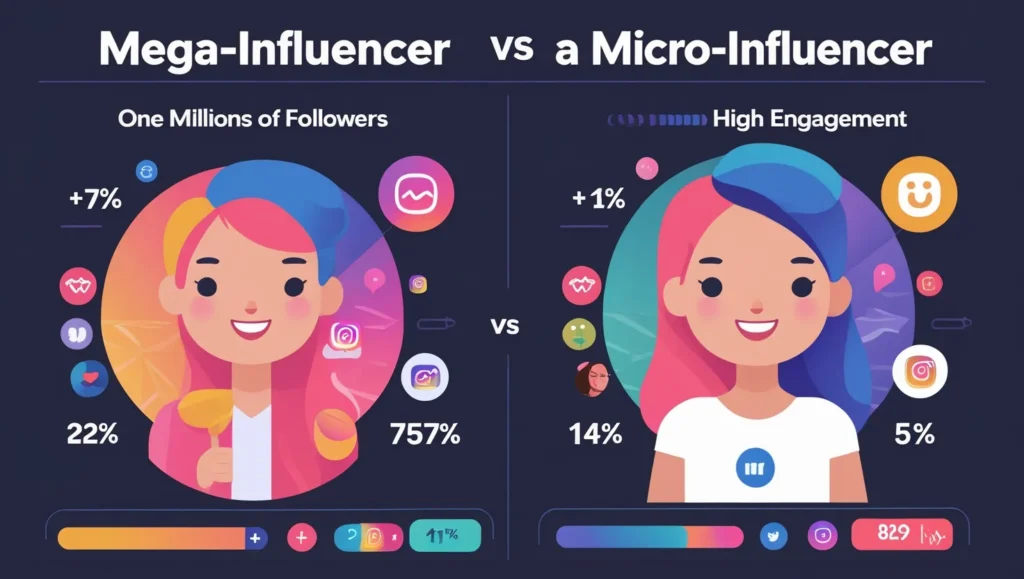
Micro-influencers are creators with between 1,000 and 100,000 followers—and they’ve quietly become the MVPs of social strategy.
Why?
Because their audiences:
- Trust them like a best friend
- Engage more frequently and meaningfully
- See them as “real people,” not unreachable celebrities
The Engagement Advantage
Micro-influencers deliver:
- 2–4x higher engagement rates than macro or mega influencers
- Better ROI due to lower partnership fees
- Higher conversion rates on affiliate links and product mentions
Think of it like this: would you rather have 10,000 people sort of care about your ad, or 1,000 people really care and click?
🟢 Example: A skincare brand saw 300% higher conversion partnering with 20 micro-influencers versus one celebrity. Each micro-influencer had under 25K followers but laser-focused niches like acne-prone teens, skincare enthusiasts over 40, and cruelty-free product fans.
Trend: Niche Is the New Mainstream
In 2025, everyone is a niche. The power of micro-influencers comes from their ability to speak directly to a specific audience—no fluff, no filler.
Whether it’s:
- Gluten-free baking moms in Milwaukee
- Indoor plant lovers in high-rise apartments
- Budget travelers over 50
Micro-influencers thrive on specialization, not mass appeal.
What This Means for Brands
Stop looking for the biggest audience. Instead, find the most relevant one.
🟢 Takeaway: Use hashtags, keyword search tools, and creator marketplaces to find influencers who specialize in your niche. You want community, not just clicks.
How to Find Micro-Influencers (Without Losing Your Mind)
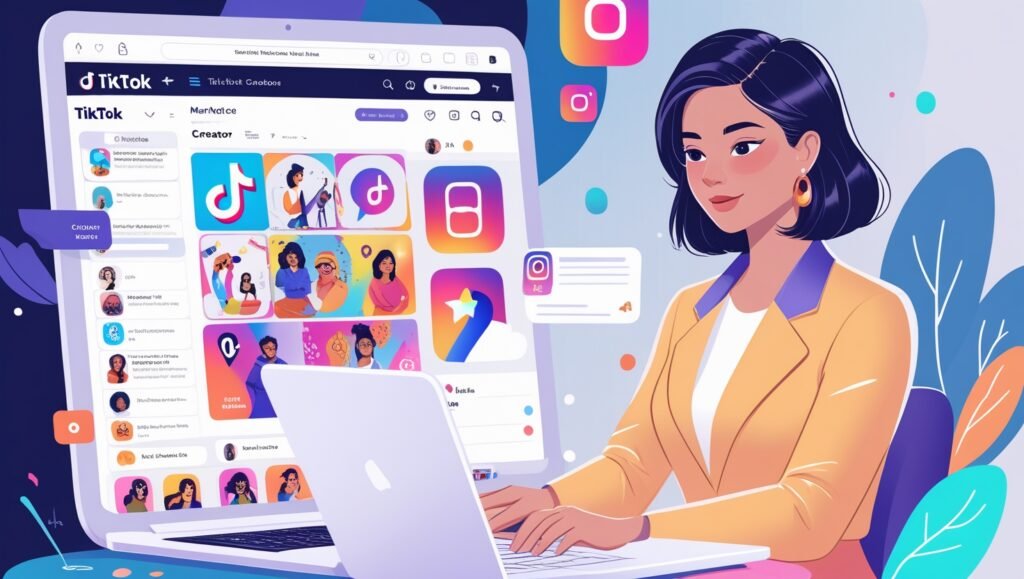
You don’t need to spend weeks scrolling Instagram or TikTok manually.
Here’s how to streamline the search:
1. TikTok Creator Marketplace
Search by:
- Follower count
- Engagement rate
- Audience demographics
- Vertical (beauty, fashion, education, etc.)
2. Instagram Collabs & Brand Collabs Manager
Perfect for co-posting content and tapping into shared audiences. You can also view an influencer’s previous collaborations.
3. Influencer Discovery Tools
- AspireIQ
- Upfluence
- CreatorIQ
- Collabstr
- Heepsy
4. Go Organic
Sometimes, the best creators are already following you. Check your tagged posts and mentions. Your next ambassador might already love your brand.
🟢 Takeaway: Make a creator shortlist using tools, but validate them by reviewing comments. High-quality engagement (not just likes) is your goldmine.
How to Vet Micro-Influencers Before You Partner
Numbers can be misleading. A creator with 80K followers might have:
- Fake followers
- Low engagement
- Little influence over purchase decisions
So do a quick health check:
✅ Vetting Checklist
- Engagement rate over 2%? (Use tools like Modash or HypeAuditor)
- Audience authenticity (real comments > emojis)
- Content quality – clear, consistent, branded?
- Values alignment – do they get your brand?
- Past partnerships – were they successful?
🟢 Takeaway: Treat influencer partnerships like dating. Start small (a gifted collab or short campaign) and build up from there.
How to Build Long-Term Creator Relationships
The secret sauce to successful influencer marketing in 2025? Consistency.
Not one-off shoutouts. Not impersonal DMs. But ongoing, value-driven relationships.
The Long Game Wins
When creators truly connect with your product and story, their audience senses it. And responds accordingly.
How to Nurture Creators
- Involve them early in campaigns
- Give them creative freedom
- Provide exclusive perks (discounts, sneak peeks, affiliate links)
- Celebrate shared wins (public shoutouts, bonuses for performance)
🟢 Example: A DTC coffee brand built a micro-ambassador program with 15 creators who posted monthly reviews and recipes. Over 18 months, they drove 60% of new sales and turned customers into fans.
ROI: How to Actually Measure Influencer Success
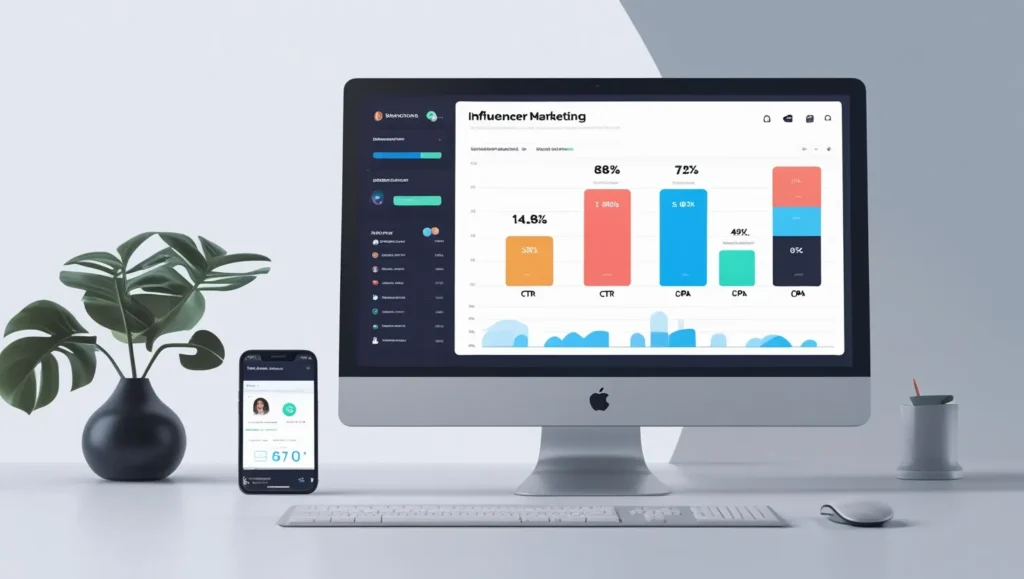
Let’s get real: likes don’t pay the bills. You need metrics that matter.
Key KPIs for Micro-Influencer Campaigns
- Engagement Rate – comments, saves, shares (goal: 2%+)
- Click-through Rate (CTR) – if using swipe-up or link in bio
- Conversions – purchases, signups, downloads
- Cost per Acquisition (CPA) – total spend divided by conversions
- Creator Sentiment – did their audience react positively?
Use UTM links, custom discount codes, or trackable affiliate links to get clean data.
🟢 Takeaway: Always define your goal first. Brand awareness, traffic, or sales? The right KPIs follow the right objective.
Must-Have Creator Tools in 2025
Want to work smarter, not harder? Add these to your social stack.
🔧 TikTok Creator Marketplace
Search and contact influencers directly. See historical performance metrics and audience insights. Ideal for Gen Z-focused campaigns.
🔧 Instagram Collabs
Co-author posts for dual exposure. Great for partnerships that want shared reach without full sponsorship fees.
🔧 Link Tracking Tools
- Bitly
- Google UTM Builder
- LTK (formerly LIKEtoKNOW.it)
🔧 Affiliate Platforms
- Impact
- ShareASale
- Rakuten
🟢 Takeaway: If you can’t measure it, don’t do it. Tools help you scale, streamline, and see what’s working in real-time.
Future of the Creator Economy: What’s Next?

Here’s where we’re headed:
🚀 Creator-Owned Brands
More influencers are launching their own products. Think MrBeast’s Feastables or Alix Earle’s collabs. Brands can co-create or white-label.
🤝 Community-Centric Marketing
Creators aren’t just mouthpieces—they’re community builders. Smart marketers will invest in their audiences, not just their feeds.
🧠 AI Co-Creation
Tools like ChatGPT (hey, that’s me!) are helping creators brainstorm, script, and edit. Brands will need to embrace human + AI workflows.
🎯 Performance-Based Partnerships
Influencer deals will become more like affiliate programs: pay-per-click, pay-per-conversion, or tiered commission systems.
Summary: Micro-Influencers Are Small But Mighty
Let’s recap:
✅ The creator economy is booming, and micro-influencers are at the heart of it
✅ They drive real engagement, better ROI, and authenticity
✅ Tools like TikTok Creator Marketplace and Instagram Collabs make partnerships easier than ever
✅ Brands must treat creators like partners—not just ad slots
✅ Measuring success means tracking engagement, clicks, and conversions, not just impressions
Whether you’re a creator, marketer, or brand owner, this isn’t just a trend—it’s a movement.
Let’s Keep the Conversation Going 👇
Have you partnered with a micro-influencer? Are you one yourself? What creator tools are you loving (or loathing) in 2025?
Drop your thoughts in the comments or share this post with someone who’s building in the creator economy. Let’s grow smarter, together.
FAQs About Micro-Influencer Marketing & the Creator Economy
Q1: What exactly is a micro-influencer?
A micro-influencer is a social media creator with 1,000 to 100,000 followers. They typically focus on a specific niche—like fitness, beauty, tech, or parenting—and have higher engagement rates than larger influencers. Micro-influencers are known for building trust and authenticity with their communities.
💡 Keyword boost: “What is a micro-influencer?”
Q2: Why are micro-influencers better than celebrities or macro-influencers for marketing in 2025?
Micro-influencers offer:
- Higher engagement rates (~2.8% vs. <1.2%)
- More relatable content
- Better ROI due to lower costs
- Niche audiences with specific interests
In 2025, micro-influencer marketing is winning because it feels personal, not performative.
Q3: How do I find the right micro-influencer for my brand?
You can:
- Use TikTok Creator Marketplace, Instagram Collabs, or Upfluence
- Search relevant hashtags in your niche
- Check who’s already tagging or mentioning your brand organically
- Look for influencers with consistent content, authentic engagement, and audience trust
🛠 Tip: Don’t just look at follower count—look at their comment sections, too.
Q4: How much does it cost to work with a micro-influencer?
Costs vary widely, but here’s a rough breakdown (as of 2025):
- Nano-influencers (1K–10K): $25–$250 per post
- Micro-influencers (10K–50K): $250–$1,000 per post
- Higher-tier micro-influencers (50K–100K): $1,000–$5,000+ per post
Some may work on product exchange or affiliate commission instead of flat rates.
Q5: How can I measure ROI on influencer campaigns?
Use tools like:
- Google Analytics + UTM links
- Discount codes or affiliate links
- Influencer platforms with built-in tracking
Track:
- Engagement rate (goal: 2–4%)
- Click-through rate (CTR)
- Sales or sign-ups
- Cost per acquisition (CPA)
🎯 Keyword boost: “How to measure ROI of influencer marketing”
Q6: What platforms are best for micro-influencer campaigns in 2025?
Top platforms include:
- TikTok (short-form viral content)
- Instagram (stories, reels, carousels)
- YouTube Shorts
- Pinterest (great for evergreen niches like food, DIY, and travel)
- LinkedIn (for B2B creators and thought leaders)
Choose the platform where your audience already lives.
Q7: What are some current creator economy trends to watch?
- Performance-based influencer partnerships (pay-per-click or sale)
- AI-powered content creation
- Creator-led product lines
- Brand and creator co-ownership
- Decentralized platforms and fan-owned monetization
🌐 Keyword boost: “Creator economy trends 2025”
Q8: Can small businesses benefit from micro-influencer marketing?
Absolutely! In fact, micro-influencers are ideal for small and local businesses. They offer:
- Affordable promotion
- Authentic recommendations
- A tight-knit audience that actually converts
Even a small campaign can generate big results with the right fit.
Q9: How long should an influencer campaign last?
Short answer: it depends.
For best results:
- Start with a trial campaign (2–4 weeks)
- Move into a longer-term ambassador partnership (3–6 months+)
- Track data and optimize over time
Long-term relationships yield more trust, consistency, and impact.
Q10: What’s the difference between micro and nano influencers?
- Nano-influencers: 1K–10K followers, often highly niche, ultra-engaged
- Micro-influencers: 10K–100K followers, strong influence, wider but still targeted reach
Both are valuable—nano for grassroots reach, micro for scalable influence.