
1. Introduction: The Rise of Community-First Marketing
If you’ve been on Instagram lately, you’ve probably noticed something: your favourite brand’s posts seem to have mysteriously vanished from your feed… until they suddenly appear with a “Sponsored” tag. Coincidence? Nope. That’s the algorithm pulling the strings.

Now, here’s a twist: meet Glossier, the beauty brand that grew into a cult favourite not because they gamed the feed, but because they built an army of loyal fans—people who recommend products at brunch, in DMs, and in bathroom mirror selfies—without relying on social media algorithms to decide who sees them.
This, my friends, is community-first marketing.
In simple terms, community-first marketing is when a brand puts people—not platforms—at the heart of its growth strategy. Instead of desperately trying to please the algorithm gods with endless content churn, brands focus on owned, meaningful spaces where customers connect with each other and the brand directly.
And why is this movement gaining steam right now?
-
Decline of organic reach: In 2025, the average organic reach for Facebook Pages hovers in the low single digits—yes, you might need a telescope to spot it.
-
Ad fatigue: Consumers are drowning in ads, and the “Buy Now” button feels more like “Please Stop.”
-
Algorithm volatility: One tweak in a mysterious data centre, and your carefully planned campaign goes from viral to invisible.
Community-first marketing flips the script: instead of fighting for fleeting attention in a feed you don’t own, you build direct relationships, create value, and encourage peer-to-peer connection that lives beyond any algorithm.
In this guide, you’ll learn:
-
How the algorithm became the bottleneck to brand growth (and how to dodge it).
-
The psychology that makes brand communities magnetic.
-
The best platforms, tactics, and strategies for brand community building and customer engagement outside social media.
-
Real case studies of brands doing it brilliantly.
By the end, you’ll know exactly how to stop renting your audience from Silicon Valley and start owning your brand’s future.
2. Understanding the Problem: When the Algorithm Becomes the Gatekeeper
Imagine throwing a party, inviting 1,000 people, and then having a bouncer at the door who randomly decides only 30 guests can come in—and, for a fee, he’ll let a few more in. That’s essentially how social media algorithms treat your brand’s audience.
On platforms like Instagram, TikTok, and Facebook, the content your followers chose to see is filtered through algorithmic logic. These algorithms prioritise what they think people want (often based on watch time, engagement history, and advertiser demand) over what people explicitly asked for. The result? Your painstakingly crafted post might never even make it to the people who hit “follow.”
The volatility of reach and engagement
One week your reel is clocking 50,000 views, the next it’s barely scraping 500. The algorithm is like an unpredictable roommate—sometimes helpful, often moody, and rarely transparent. This volatility makes it nearly impossible to rely on consistent audience reach without paying to boost visibility.
The paid reach trap
As organic reach shrinks, brands turn to paid ads. But here’s the kicker:
-
Rising ad costs — Global CPM (cost per thousand impressions) rates increased steadily over the past three years, with 2025 seeing some of the highest costs yet.
-
Declining ROI — Even with higher spend, conversion rates are plateauing or falling for many industries, meaning you’re paying more for the same—or less—impact.
Consumer fatigue is real
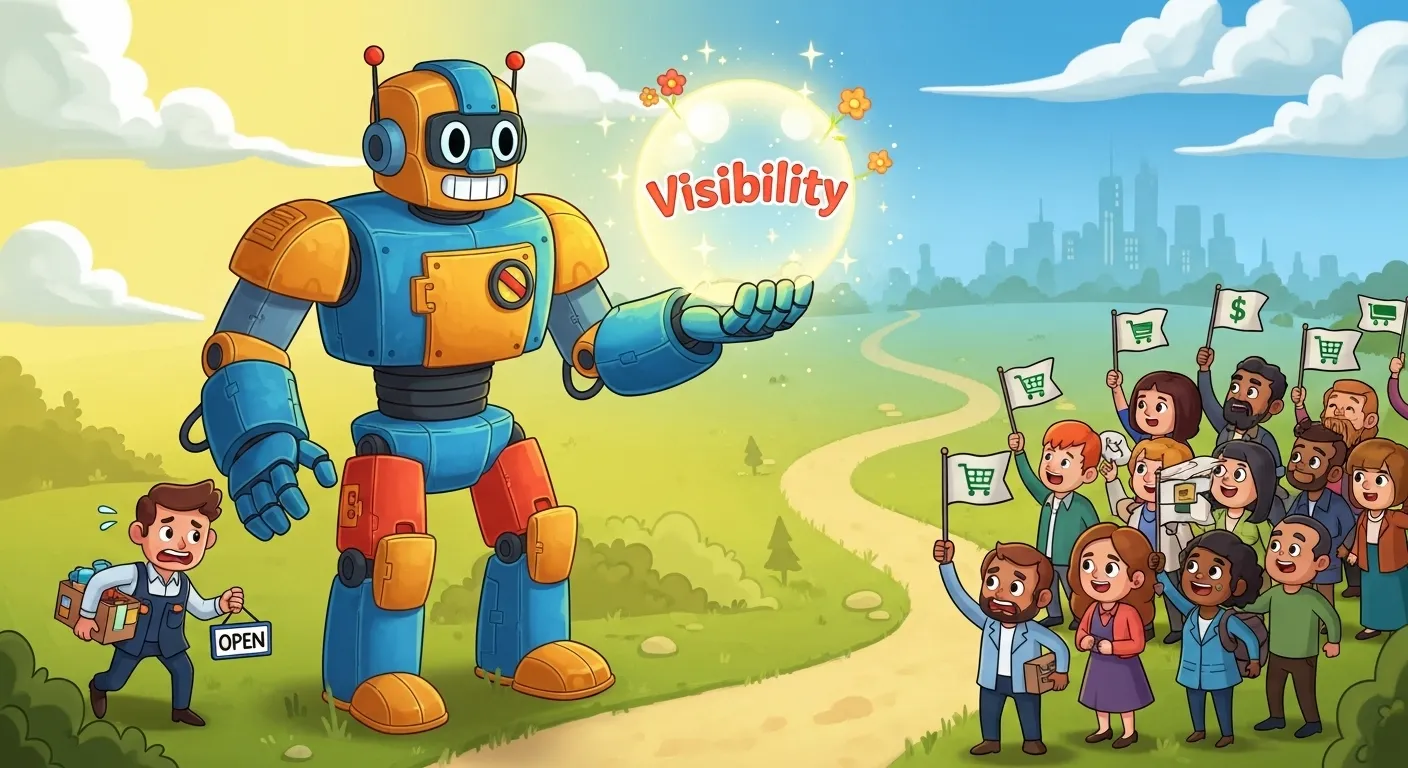
People are tired. Every scroll brings another promo, discount code, or “limited-time offer.” According to recent declining organic reach statistics 2025, over 70% of users report skipping or ignoring brand posts that feel overly salesy. And let’s face it, when your content is constantly interrupted by ads and competing brand noise, even your loyal fans might tune out.
Why this matters for your brand’s future
When algorithms control your visibility, you’re essentially renting your audience. You don’t own the relationship; the platform does. Lose access to that platform (or watch its popularity fade, à la MySpace), and you lose your primary customer touchpoint overnight.
The takeaway? Depending on the algorithm to reach your customers is like building your dream home on rented land—you have zero control over when the landlord decides to evict you.
In the next section, we’ll explore what community-first marketing actually is, why it sidesteps this gatekeeping problem entirely, and how it’s helping brands reclaim their audiences.
3. What is Community-First Marketing?
Let’s clear this up: community-first marketing isn’t about abandoning social media entirely, smashing your phone, and moving to a cabin in the woods (though… tempting). It’s about shifting your brand’s centre of gravity from platforms you don’t control to spaces you do—and putting people at the heart of your strategy.
At its core, community-first marketing means building a loyal, engaged network of customers, fans, and advocates who interact with your brand and with each other—outside the whims of an algorithm. It’s not just marketing to people; it’s marketing with them.
Core Principles
1. People over platforms
Instead of designing every move around “What will get us more reach on Instagram?” you focus on “What will make our community feel valued, connected, and excited?” Platforms are tools, not the foundation.
2. Value over volume
No more frantic content churn to keep up with feed demands. Instead, you produce fewer but more meaningful touchpoints—exclusive content, insider perks, collaborative projects—that deepen relationships.
3. Direct engagement without algorithmic interference
This means owning your audience data and communication channels. Think email newsletters, private forums, or member apps where your message reaches everyone, every time, without paying for the privilege.
How It Differs from Traditional Social Media Marketing
Traditional social media marketing is like shouting into a crowded marketplace—hoping someone hears you over the noise. Community-first marketing is like inviting a select group into your living room for an intimate conversation. In one, the relationship is shallow and transactional; in the other, it’s built on trust and mutual benefit.
Real-World Examples of Brands Doing It Right
-
Glossier – Started as a beauty blog, evolved into a brand that treats customers like co-creators. Their Into The Gloss community and product feedback loops keep engagement high—no matter what Instagram’s algorithm is doing.
-
Gymshark – Fitness brand turned movement, leveraging ambassadors, offline events, and exclusive challenges to keep fans deeply invested beyond product launches.
-
Lego – Their Lego Ideas platform lets fans submit and vote on new product designs, turning customers into collaborators and ensuring a steady stream of crowd-approved hits.
These brands prove that brand community building isn’t just a “nice-to-have” — it’s a growth engine. By fostering customer engagement outside social media, they’ve created ecosystems where fans promote, defend, and grow the brand for free (and with more authenticity than any ad campaign).
The Bi
4. The Psychology Behind Brand Communities
Let’s face it—humans are pack animals. Whether it’s medieval guilds, punk rock fan clubs, or that suspiciously passionate neighbourhood pickleball league, we’ve always craved belonging. Brand communities tap into that same deep-seated need, but with the added twist of shared products, values, and experiences.
Why Humans Crave Belonging
Psychologists will tell you that after food, water, and Wi-Fi, one of our strongest needs is connection. Being part of a group makes us feel safe, understood, and validated. In marketing terms, this translates to loyalty, advocacy, and repeat purchases—not because people have to, but because they want to.
Shared Values & Identity
When customers see their own values reflected in a brand, they stop being “just customers” and start being members. Patagonia nails this by aligning with environmental activism—buying their gear is more than a transaction; it’s a statement of identity. This is the heartbeat of brand loyalty psychology: when your brand becomes part of who someone is, they’ll stick around even when cheaper or flashier options appear.
Trust-Building Through Personal Connection
Trust is the glue in any community. That means real conversations, transparent decisions, and a willingness to admit mistakes. When people believe a brand listens to them, they’re far more likely to stay engaged. It’s the difference between a corporate “contact us” form and a founder showing up to a live Q&A to answer tough questions directly.
Social Proof & Advocacy
Humans are also herd animals—we look to others for cues on what to buy, what to wear, and where to spend our time. In communities, members become your best marketers. A glowing testimonial in a private group, a shared unboxing video, or a peer recommendation carries exponentially more weight than a paid ad. This is why community engagement strategies often include member-led storytelling, challenges, or product reviews—it’s marketing that doesn’t feel like marketing.
The Loyalty Loop
Here’s where the magic happens:
-
A customer joins a community.
-
They engage, feel heard, and start seeing others like them.
-
The brand delivers consistent value and fosters peer-to-peer relationships.
-
They make repeat purchases and tell friends.
-
Friends join, and the cycle reinforces itself.
Over time, your community stops being just a “marketing channel” and becomes an ecosystem—a self-sustaining environment where your customers not only stick around but actively help you grow.
In short, great communities work because they’re built on human nature, not platform quirks. And that’s a competitive advantage no algorithm update can take away.
5. Channels for Community-First Marketing (Beyond Social Media Algorithms)

If algorithms are the unpredictable landlords of your digital presence, think of community-first marketing channels as the house you own—paid off, mortgage-free, with a kitchen you can actually paint without permission. In 2025, there’s a buffet of platforms and spaces where brands can build thriving communities without asking an algorithm for approval.
Owned Platforms: Your Brand’s Private Real Estate
1. Email Newsletters
The unsung hero of community building. Email is still one of the most direct, algorithm-free ways to connect with your audience. Unlike social media, every subscriber actually receives your message (unless you write like a tax return). Done well, newsletters feel like an intimate letter from a friend—sharing value, updates, and insider perks.
2. Brand-Owned Forums or Membership Sites
Think of these as digital clubhouses. Platforms like Discourse or Mighty Networks let you create topic-based discussions, host exclusive content, and even integrate events or courses. You control the space, the rules, and the vibe—no third-party interference.
3. Mobile Apps
If your brand has a highly engaged audience, an app can be a home base. Fitness brands (like Peloton) use apps to deliver workouts, host community challenges, and facilitate chat between members—no algorithm in sight.
Offline & Hybrid Touchpoints: The Human Factor
1. Local Events, Workshops, & Pop-Ups
Yes, IRL still works. Hosting intimate gatherings where your audience can meet each other turns online loyalty into real-world relationships. Bonus: these events often generate authentic UGC (user-generated content) that outperforms staged campaigns.
2. Conferences & Networking Events
Going bigger than local meetups, industry-specific conferences position your brand as a thought leader. Sponsorships, speaking engagements, or hosting breakout sessions create opportunities for meaningful, face-to-face connections.
Community Platforms Not Controlled by Social Algorithms
1. Discord
Once the domain of gamers, Discord now hosts thriving brand communities. It’s real-time, highly customisable, and perfect for brands that want casual, always-on conversation.
2. Slack
Better for professional or B2B communities, Slack channels can be structured around topics, projects, or resources, making it ideal for peer-to-peer problem-solving.
3. Telegram Groups
With its privacy features and massive group capacity, Telegram is a great option for global audiences and niche interest groups.
4. Private Facebook Groups
Yes, Facebook still has algorithms—but in Groups, the feed is less competitive than public posts, and members are more likely to engage intentionally.
5. Reddit & Niche Forums
Reddit offers a mix of visibility and intimacy through topic-specific subreddits, while independent niche forums give you complete control. The key is joining or creating spaces where the conversation already has momentum.
Best Community Platforms for Brands 2025
If you’re weighing options, here’s the cheat sheet:
-
For casual conversation: Discord, Telegram
-
For professional networking: Slack, LinkedIn Groups
-
For deep, long-form discussion: Forums, Mighty Networks
-
For mixed media + events: Brand-owned app, Kajabi, Circle.so
Blending Channels for Maximum Impact
The best community-first strategies don’t rely on just one channel—they weave multiple touchpoints into an integrated ecosystem. Example: a skincare brand could use email newsletters to announce events, host discussions on a private forum, and offer exclusive behind-the-scenes content via a mobile app. Each channel reinforces the others, creating a web of engagement that doesn’t unravel if one platform changes its rules.
Pro tip: Choose fewer channels and commit. A half-dead Slack group or dusty forum is worse than having no community space at all. It’s like opening a café and forgetting to unlock the door—people notice.
In the next section, we’ll go step-by-step through how to actually build one of these communities from scratch so you can stop depending on platforms you don’t own.
6. Building a Community-First Marketing Strategy: Step-by-Step
Think of building a brand community like hosting the world’s longest, most enjoyable dinner party. Your job is to set the vibe, invite the right people, and keep the conversation flowing—not just once, but for years. Here’s your action-oriented, algorithm-proof blueprint for creating a thriving community that sticks.
Step 1: Define Your Brand’s Community Vision & Purpose
If your only goal is “sell more stuff,” your community will smell it a mile away and bounce faster than a bad Tinder date.
Ask yourself:
-
Why does this community exist beyond transactions?
-
What shared goal, value, or interest will unite members?
Checklist:
✅ Write a one-sentence community purpose statement.
✅ Define 3–5 core values your community will live by.
Step 2: Identify Your Core Audience & Their Pain Points
Communities are built around people, not products. Get crystal clear on who you’re serving. Are they beginners looking for guidance? Experts wanting to network? Hobbyists craving camaraderie?
Checklist:
✅ Create a detailed audience profile (demographics + psychographics).
✅ Map 3–4 key challenges or desires your community can address.
Step 3: Choose the Right Platform(s) for Interaction
Not every audience wants to hang out on Discord at 2 a.m. or attend local workshops. Pick platforms based on your members’ habits—not the latest marketing fad.
Checklist:
✅ Research where your audience already spends time.
✅ Select 1–2 platforms to start (owned + interactive).
Step 4: Create Value-Driven, Member-Centric Content
Forget “post three times a day” rules. Your content should serve, not spam. This could be tutorials, insider news, or opportunities for members to shine.
Checklist:
✅ Outline a monthly content plan focused on value.
✅ Build in moments for members to share their own expertise.
Step 5: Foster Peer-to-Peer Connections
The magic happens when members talk to each other without you as the middleman. Encourage collaboration, not just brand-to-member interaction.
Checklist:
✅ Create discussion prompts or challenges.
✅ Set up subgroups or channels for niche interests.
Step 6: Empower Community Leaders/Ambassadors
Your most engaged members can become your best recruiters, moderators, and advocates. Give them recognition and tools to succeed.
Checklist:
✅ Identify your top 5–10 most engaged members.
✅ Offer ambassador perks: early access, exclusive merch, or leadership roles.
Step 7: Continuously Engage, Listen & Adapt
A thriving community is never “done.” Regularly gather feedback, test new ideas, and evolve with your members’ needs.
Checklist:
✅ Run quarterly surveys to check community health.
✅ Adjust content and events based on feedback trends.

Pro Tips for Long-Term Success
-
Start small, scale slowly. A small, active group beats a massive, ghost-town community.
-
Be human. Show your face, admit mistakes, celebrate members’ wins.
-
Balance structure with spontaneity. Have a plan, but allow room for organic interactions.
By following this roadmap, you’ll move from chasing fickle algorithms to owning an engaged, loyal audience—one that will stick with you through platform changes, industry shifts, and even the occasional marketing misstep.
7. Content Ideas for Community Engagement (Outside the Algorithm)
Let’s be honest—keeping a community engaged long-term is a bit like keeping a sourdough starter alive. It needs regular feeding, a little warmth, and the occasional new ingredient to keep it fresh. Luckily, you don’t need to reinvent the wheel every week. With the right content mix, you can keep members talking, collaborating, and feeling like they’re part of something special.
1. Exclusive Webinars, AMAs & Q&A Sessions
People love insider access. Host live “Ask Me Anything” sessions with your founder, product team, or industry experts. These work best when the topics are hyper-relevant to your members’ needs. Bonus: record them so latecomers still get the value.
2. Member-Generated Content
Nothing builds belonging like seeing your name in lights—okay, maybe in the community newsletter. Encourage members to share stories, tips, or creations related to your brand. You can feature them in email spotlights, blog posts, or social shout-outs (with permission).
3. Behind-the-Scenes Access
Let members peek behind the curtain. Whether it’s a product in development, a factory tour, or your team brainstorming ideas, this transparency makes members feel trusted and included. It also doubles as a loyalty-building tactic, because people root for what they help create.
4. Beta-Testing New Products
Turn your community into a VIP testing panel. Give them early access to prototypes or features and actively seek feedback. Not only does this improve your offering, but it also makes members feel invested in your success.
5. Challenges & Competitions
Gamify engagement. Set up 7-day challenges, skill-building contests, or themed photo competitions. Offer small prizes, bragging rights, or exclusive badges for participants. These spark excitement and peer-to-peer interaction.
6. Resource Sharing & Collaboration Opportunities
Give members a platform to share helpful tools, industry news, or collaborations. This positions your brand as the facilitator of value rather than the sole source of it.
Pro Tips for Sustainable Content Flow
-
Mix synchronous & asynchronous content: Live events for energy, evergreen resources for long-term value.
-
Create recurring formats: A “Member Monday” spotlight or “Friday Wins” thread gives structure without constant reinvention.
-
Invite, don’t dictate: Give members room to create their own initiatives—those often become the most popular.
By keeping your content fresh, interactive, and member-centric, you’ll transform your community from a passive audience into an active network. And unlike social media feeds, the conversation here won’t vanish overnight—it compounds over time.
8. Measuring Success Without Vanity Metrics
If traditional social media marketing is obsessed with likes, followers, and views, community-first marketing is like that one friend who doesn’t care about Instagram filters—they care about the real conversation. Vanity metrics might look good in a quarterly report, but they rarely tell you if your community is actually thriving.
Engagement Depth vs. Engagement Rate
Sure, an “engagement rate” can give you a quick snapshot, but it’s often shallow—someone tapping a heart emoji on your post isn’t the same as them joining a 30-minute discussion or contributing advice to another member.
Ask yourself:
-
How often are members initiating conversations without prompts?
-
Are they engaging with each other, not just the brand?
Pro tip: Track active members, posts per member, and the percentage of discussions started by non-admins.
Tracking Loyalty, Retention & Advocacy
A healthy community doesn’t just attract members—it keeps them.
-
Retention Rate: How many members are still active after 3, 6, or 12 months?
-
Repeat Purchases: Are community members buying more often than non-members?
-
Advocacy Metrics: How often are members referring friends or generating user-created content?
Qualitative Feedback Loops
Numbers tell you what is happening, but not why. That’s where qualitative feedback comes in.
-
Run surveys to ask members what they value most.
-
Collect testimonials that reflect emotional connection.
-
Monitor open-ended feedback in discussions—often the most honest gold is in casual comments.
Revenue Impact from Community Members
This is where the CFO starts paying attention. Compare the average customer lifetime value (CLV) of community members vs. non-members. If your community is working, the gap will be obvious—and impressive.
Why This Matters
By focusing on community ROI metrics and measuring brand loyalty, you’re ensuring your strategy delivers long-term results instead of chasing short-lived spikes in visibility.
Remember: in a true community, success isn’t measured by how many people see your message—it’s measured by how many people act on it, keep coming back, and bring their friends along for the ride.
9. Case Studies: Brands Winning with Community-First Marketing
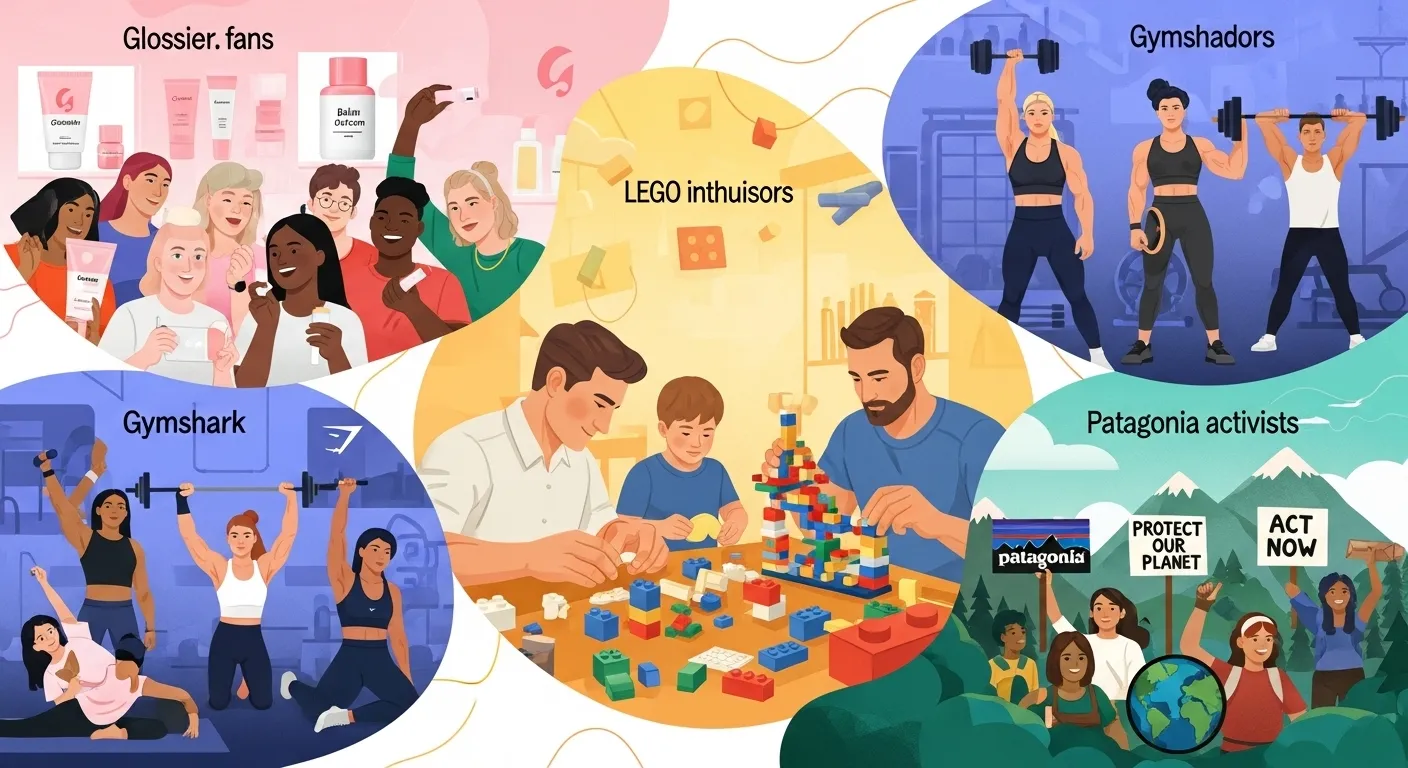
Community-first marketing sounds lovely in theory—but what does it look like when it’s done brilliantly in the real world? Let’s break down four brands that have built thriving communities, skipped the algorithm drama, and turned customers into evangelists.
1. Glossier – Building Beauty Insiders into Brand Advocates
The Strategy: Glossier didn’t just sell beauty products—they created a conversation. Starting from their blog Into the Gloss, they built an audience by discussing real beauty routines, featuring readers, and openly asking for feedback on products in development.
Community Tactics:
-
Private Slack channels for top fans and testers.
-
Spotlighting customers in social content.
-
In-person pop-ups to connect digital fans offline.
The Result: A brand that feels less like a cosmetics company and more like a club you want to belong to. Glossier’s early products were often refined based on community feedback, making customers feel like co-creators rather than just buyers.
2. Gymshark – Leveraging Events & Ambassadors
The Strategy: Instead of splurging on traditional ads, Gymshark poured energy into creating a global network of fitness enthusiasts who wear the brand like a badge of honour.
Community Tactics:
-
Hosting massive pop-up gyms and meet-ups around the world.
-
Recruiting athlete ambassadors who genuinely use and love the brand.
-
Engaging fans with online challenges and workout programs.
The Result: A cult-like loyalty that turns fans into influencers for free. Gymshark’s events often generate queues down the street, and their ambassador content gets more traction than polished ad campaigns.
3. Lego Ideas – Crowdsourced Product Creation
The Strategy: Lego flipped product development on its head by letting fans pitch and vote for new sets through their Lego Ideas platform.
Community Tactics:
-
Encouraging creativity and collaboration between fans.
-
Giving winning designers a share of the profits.
-
Featuring fan stories on official channels.
The Result: Hit products like the NASA Apollo Saturn V and Women of NASA sets—both born from community submissions. Plus, a self-sustaining innovation pipeline where the community does much of the heavy lifting.
4. Patagonia – Activism-Based Community Building
The Strategy: Patagonia doesn’t just sell outdoor gear—they lead environmental activism. Their community rallies around shared values like sustainability, conservation, and responsible consumption.
Community Tactics:
-
Funding grassroots environmental groups.
-
Hosting events and educational workshops.
-
Creating content that prioritises advocacy over products.
The Result: A fiercely loyal customer base that sees purchases as an extension of their personal ethics. Patagonia’s authenticity earns them trust even in a competitive market.
Lessons You Can Steal (Without the Legal Trouble)
-
Invite participation, not just purchases: Co-create with your community.
-
Build offline moments: Events strengthen online bonds.
-
Lead with values: Shared beliefs create deeper loyalty than discounts ever could.
-
Empower your members: Give them platforms, recognition, and influence.
These brands prove that community-first marketing isn’t just fluff—it’s a revenue-driving, loyalty-locking, competition-proof strategy. Whether you’re selling lipstick, leggings, bricks, or backpacks, the principles are the same: listen, engage, and make your customers part of the journey.
10. Challenges & Mistakes to Avoid
Building a brand community is like planting a garden—you need patience, consistent care, and a clear plan. But just like an overwatered cactus, a poorly handled community can wither fast. Here are the most common pitfalls (a.k.a. common community marketing mistakes) and how to dodge them.
1. Over-Commercialising the Community
If every interaction feels like a sales pitch, members will ghost you faster than an ex who “just needs space.” Your community should be a value-first zone, not an endless shopping aisle.
Fix: Keep the sell-to-serve ratio low—around 80% value, 20% promotional.
2. Ignoring Member Feedback
Your community isn’t just an audience—it’s a focus group that’s already invested in your success. Ignoring them is like asking for advice and then muting the conversation.
Fix: Acknowledge every major piece of feedback, even if you can’t implement it immediately.
3. Spreading Too Thin Across Platforms
It’s tempting to be everywhere—Discord, Slack, Reddit, Instagram, YouTube—but a half-dead presence is worse than none at all. Inactive spaces send a signal that your brand isn’t paying attention.
Fix: Start with one or two strong channels and master them before expanding.
4. Neglecting to Nurture After Initial Growth
Communities need ongoing love. Many brands put effort into launch hype, then leave members to fend for themselves, causing engagement to tank.
Fix: Schedule regular events, updates, and surprises to keep momentum alive.
Bottom Line
The fastest way to kill a community is to treat it like a quick conversion machine instead of a long-term relationship. Respect your members’ time, give them reasons to show up, and always keep the conversation two-way.
11. The Future of Community-First Marketing
If 2025 is the year brands start breaking up with the algorithm, the next few years will be about deepening those new relationships. The future of community-first marketing isn’t just “more of the same”—it’s smarter, more personal, and more resilient.
1. Decentralised Platforms Take Centre Stage
As privacy concerns grow and trust in big tech wavers, decentralised platforms (think blockchain-based social spaces and independent hosting) will give brands more control—and give communities peace of mind about their data.
2. AI-Assisted Moderation & Engagement
AI won’t replace community managers (the human touch is irreplaceable), but it will handle the grunt work—flagging inappropriate content, summarising long threads, and even suggesting personalised conversation starters. This will help keep communities healthy without burning out your team.
3. Hyper-Niche Communities Rise
Instead of chasing massive, general audiences, brands will focus on smaller, passion-driven groups. Why? Because niche groups often have higher engagement and loyalty than giant, unfocused ones. Imagine a coffee brand building a micro-community just for home latte art enthusiasts—it’s specific, but the members would be obsessed.
4. Blurring the Line Between Online & Offline
Expect more hybrid events, pop-ups, and local meet-ups that extend digital communities into the real world. The brands that master both spaces will own loyalty in a way pure-play digital marketing never could.
Why Community Resilience Beats Platform Dependency
Algorithms will keep changing, ad costs will keep climbing, and platforms will rise and fall. But a well-tended community—one where members feel heard, valued, and connected—can outlast any single channel. It’s your brand’s insurance policy against digital volatility.
The takeaway? In the future, the strongest brands won’t just have communities—they’ll be communities.
12. Conclusion & Key Takeaways
If there’s one thing to remember from this guide, it’s this: algorithms can change overnight, but relationships last. Community-first marketing gives you the power to own those relationships, instead of renting them from a platform that could ghost you at any moment.
By now, you’ve seen why depending on algorithm-driven visibility is like building your business on quicksand—and how shifting to brand community building creates stability, loyalty, and long-term growth. You’ve learned the psychology behind why communities work, explored the best platforms to host them, and walked through a step-by-step plan to launch your own.
Key Takeaways:
-
People over platforms: Prioritise human connection instead of chasing fleeting reach.
-
Value over volume: Less content churn, more meaningful interaction.
-
Own your audience: Use channels like email, forums, and apps where you control the message.
-
Measure what matters: Engagement depth, retention, and advocacy trump vanity metrics.
-
Play the long game: Nurture, adapt, and keep your community’s needs at the centre.
The best time to start building your community was yesterday. The second-best time? Right now. Pick a platform, gather your first members, and start creating a space where your customers feel like they belong—not just to your brand, but to each other.
Because in the end, the brands that win aren’t just the ones people buy from—they’re the ones people belong to.

Learn beautiful Animations in powerpoint – https://www.youtube.com/playlist?list=PLqx6PmnTc2qjX0JdZb1VTemUgelA4QPB3
Learn Excel Skills – https://www.youtube.com/playlist?list=PLqx6PmnTc2qhlSadfnpS65ZUqV8nueAHU
Learn Microsoft Word Skills – https://www.youtube.com/playlist?list=PLqx6PmnTc2qib1EkGMqFtVs5aV_gayTHN