Your unfair advantage in 2025: Listening more than you talk.
👋 Introduction: What If the Internet Was Your Free Focus Group?
Imagine being able to tap into the raw, unfiltered thoughts of your target customers… without paying a cent for surveys, panels, or consultants.
Welcome to the world of social listening—your backstage pass to what people really think, feel, and say about your brand (and your competitors), in real-time.
Social listening isn’t new, but in 2025, it’s not just a “nice to have”—it’s mission-critical if you want to launch smarter, faster, and with less risk.
In this article, we’ll explore:
- What social listening actually means today
- 10 real-world ways brands are using it to launch products faster
- Tools and tips for getting started
- How to avoid common social listening fails
Whether you’re a marketing manager, brand strategist, startup founder, or curious creator—grab a coffee (or cold brew) and let’s dive in. The social web has a lot to say.
🤖 1. Spotting Emerging Trends Before They Go Mainstream

Social listening tools like Brandwatch, Sprout Social, and Meltwater now use AI to analyze billions of conversations across platforms like TikTok, Reddit, Instagram, and X.
Smart brands don’t wait for trends to hit the headlines—they detect and act early, based on subtle spikes in chatter.
✅ Example:
Glossier picked up growing DIY skincare convos on Reddit and launched a customizable cleanser kit before any competitor caught on.
🚀 Takeaway:
Set alerts for niche hashtags, product categories, and “up-and-coming” influencers in your industry. You’ll spot waves before they hit the shore.
🧠 2. Understanding Pain Points Without Guessing
Forget focus groups—people vent online without a filter. Social listening lets brands uncover recurring frustrations and gaps in the market.
✅ Example:
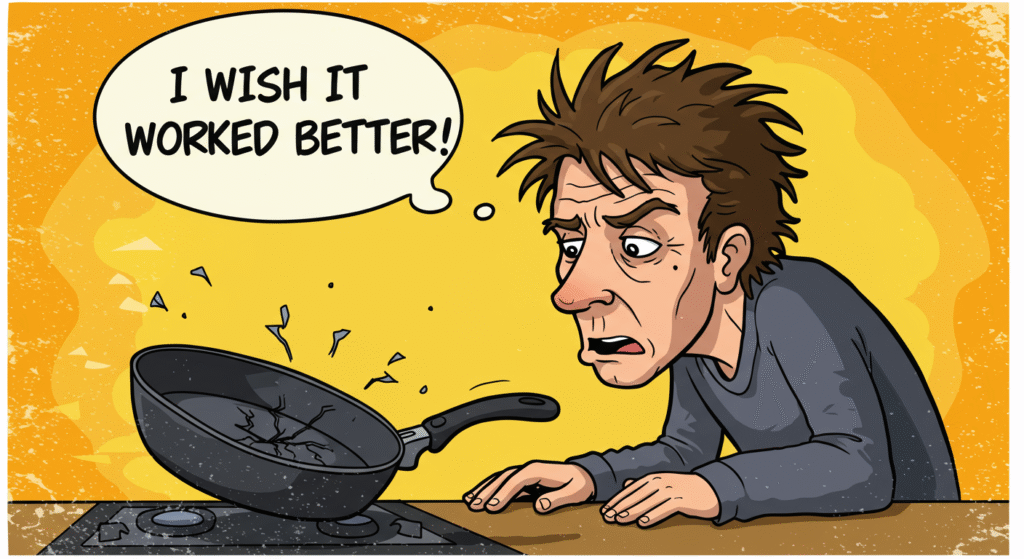
A cookware startup noticed hundreds of TikTokers complaining about non-stick pans flaking after 3 months. They launched a “forever non-stick” pan—and it went viral.
🚀 Takeaway:
Track keywords like “I wish,” “frustrated with,” or “doesn’t work” + your category. Pain is a goldmine for product inspiration.
📈 3. Validating Ideas Before the Big Spend
Why spend $50K on R&D for a product nobody wants? You can test ideas just by listening.
✅ Example:
Nike noticed a spike in interest around barefoot running (again!)—instead of a full launch, they dropped limited prototypes to gauge reactions. Now it’s a full line.

🚀 Takeaway:
Use social listening to spot buzz around similar products or concepts. If no one’s talking, it’s a red flag.
🎯 4. Targeting Niche Communities for Hyper-Specific Launches
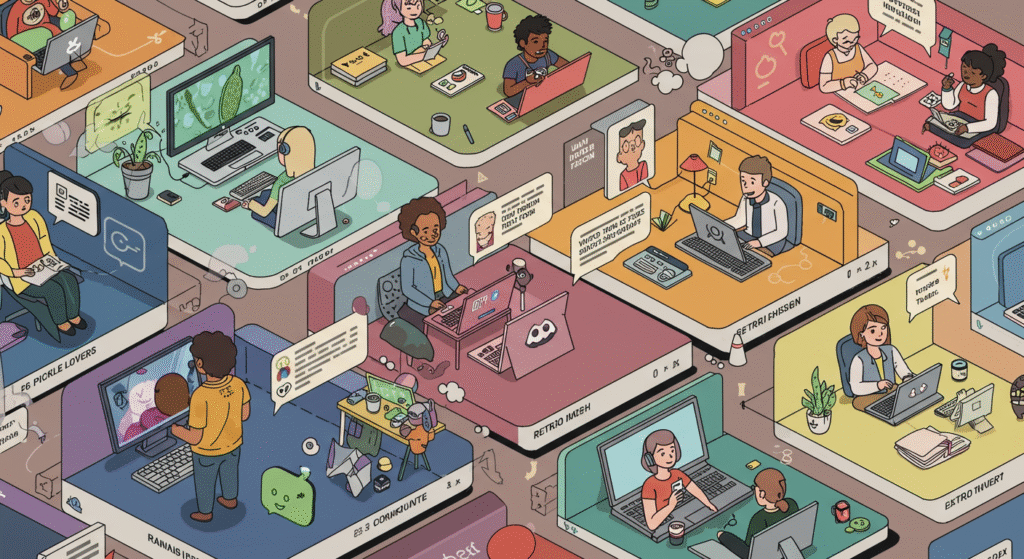
Not every product needs to go mass-market. Social listening helps you identify micro-communities obsessed with specific interests.
✅ Example:
Oreo found a subculture of pickle lovers on TikTok (yes, really) and launched a limited-edition pickle-flavored cookie—just for the memes. It sold out in 48 hours.
🚀 Takeaway:
Monitor smaller forums and community groups (like Discord or Reddit). Those niche voices can drive outsized buzz.
🗣️ 5. Gathering Feedback in Real-Time Post-Launch
Your product is live. Great! Now comes the most valuable part: what are people really saying?
✅ Example:
After launching a new vegan pizza, Domino’s UK saw complaints on X about a “strange aftertaste.” Thanks to real-time listening, they updated the formula within weeks.
🚀 Takeaway:
Create dashboards to monitor product names, hashtags, and emojis (yes, even 🍕) to catch feedback as it happens.
📉 6. Avoiding PR Nightmares (Before They Start)
People love to vent, and a single bad product experience can snowball—unless you catch it early.
✅ Example:
A fashion brand caught wind of backlash around an “offensive” pattern in their new collection before it trended. They pulled it, apologized, and avoided a full-blown scandal.
🚀 Takeaway:
Set alerts for brand name + negative sentiment terms like “angry,” “cancel,” or “offensive” to detect brewing storms.
📊 7. Analyzing Competitor Missteps (and Wins)
Want a shortcut? Watch your competitors’ launches and learn from their audience’s reactions.
✅ Example:
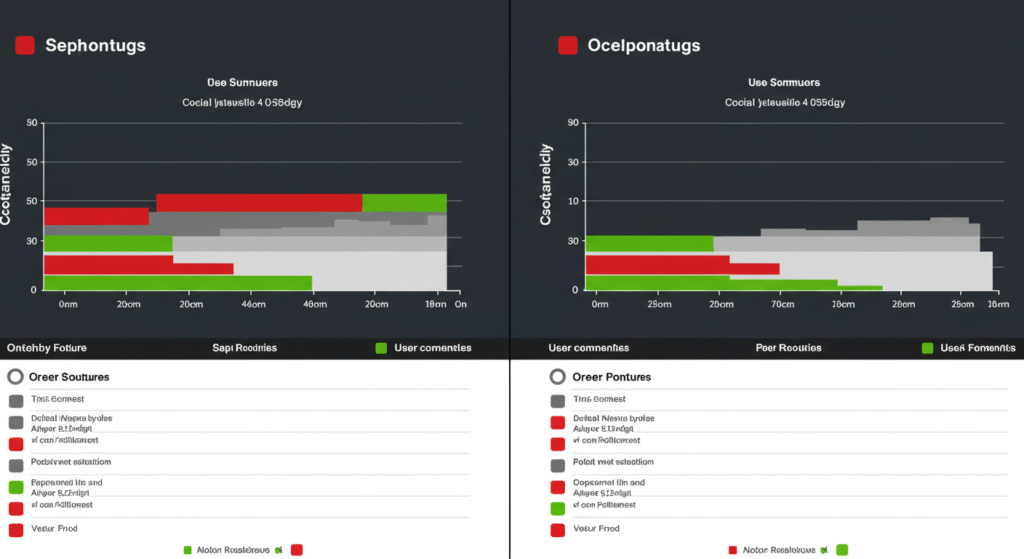
When a major beverage brand’s “energy water” tanked, a challenger brand reviewed thousands of comments criticizing taste, packaging, and price—and fixed all of it in their version.
🚀 Takeaway:
Listen in on competitors’ brand hashtags, campaign slogans, and reviews. Think of it as free market research.
🧪 8. Running A/B Tests with Language and Messaging
Social media comments can help fine-tune your product’s positioning, not just features.
✅ Example:
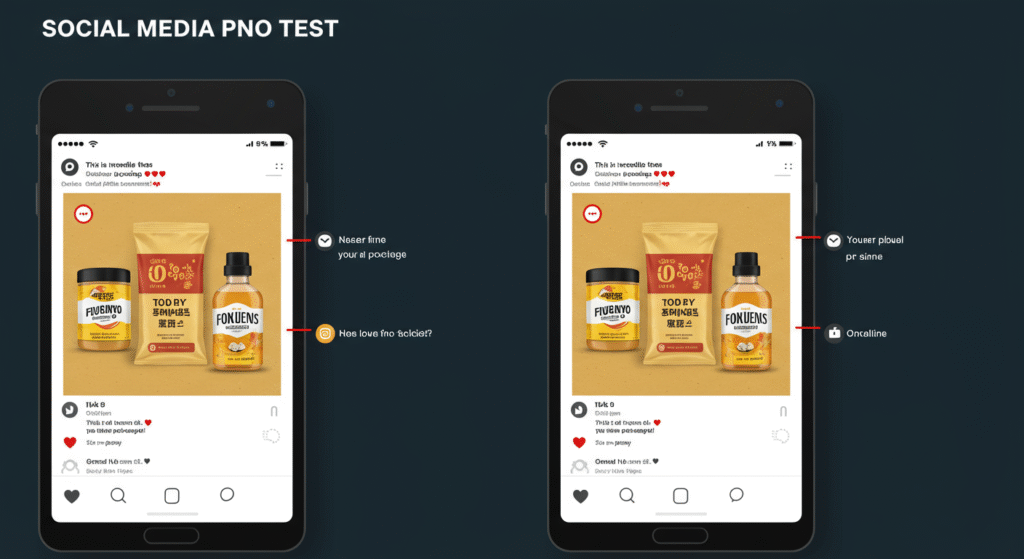
A fitness tech brand launched two different taglines on TikTok via influencer videos. Social listening revealed one message drove 3x more positive engagement—and they ran with it for their national campaign.
🚀 Takeaway:
Use influencer partners or test accounts to float different taglines, packaging, or feature names. Let the audience tell you what sticks.
🪄 9. Co-Creating with Superfans and Creators
Social listening isn’t just passive—it can spark collaboration with your most engaged audience.
✅ Example:
Lego noticed a spike in adult fans requesting retro sets. They launched the “Lego Ideas” platform to co-create kits with fans, turning casual hobbyists into product developers.

🚀 Takeaway:
Monitor fan accounts and niche creators. Invite them to shape your next product—they’ll help build AND promote it.
🛑 10. Cutting Features No One Cares About
Sometimes less is more. Social listening helps brands prioritize features based on real demand, not internal opinions.
✅ Example:
An app startup noticed users never talked about the “custom themes” feature in reviews or posts. It took up 30% of dev time—so they scrapped it and reinvested in what users actually loved.
🚀 Takeaway:
Listen for what your customers don’t mention. Silence can be just as telling as complaints.
💡 Social Listening Tools Worth Exploring
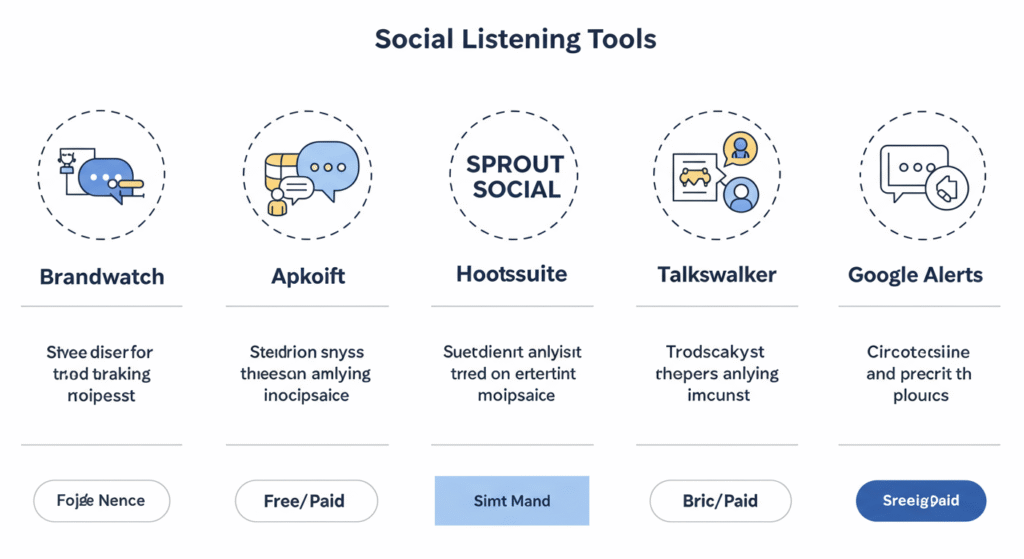
Here are a few tools (free and paid) to power your social listening strategy:
| Tool | Type | Best For |
|---|---|---|
| Brandwatch | Paid | Enterprise-level insights, sentiment analysis |
| Sprout Social | Paid | Mid-sized businesses, scheduling + listening |
| Hootsuite Insights | Paid | Integration with dashboard workflows |
| Talkwalker | Paid | Trend prediction and visual listening |
| Google Alerts | Free | Basic monitoring for brand mentions |
| Reddit Search + Filters | Free | Unfiltered community sentiment |
🔍 Pro tip: Use a mix of structured tools (like Brandwatch) and unstructured browsing (like Reddit or TikTok search). One catches patterns, the other catches raw emotion.
🚫 Common Social Listening Mistakes (and How to Avoid Them)
Even the smartest brands slip up. Here’s how to stay sharp:
- Mistake: Only tracking your brand name.
- Fix: Monitor related keywords, competitor names, slang, and misspellings.
- Mistake: Relying only on sentiment scores.
- Fix: Read the actual comments! Context matters more than color-coded charts.
- Mistake: Ignoring negative feedback.
- Fix: Embrace the ugly truth—it’s the fastest way to improve.
- Mistake: Not looping feedback back into product teams.
- Fix: Create a direct pipeline from social insights to product dev.
📦 Ready, Set, Launch… With Confidence
Let’s face it: launching a new product is scary. But social listening turns uncertainty into insight. It’s like having a conversation with your customers before they even see the product.
When used right, social listening can help you:
- Launch faster by testing ideas earlier
- Waste less by building what people actually want
- Promote smarter by knowing what messaging sticks
- Adjust quickly with real-time feedback
And best of all? It’s all right there on the internet—waiting for you to tune in.
💬 Over to You!
How are you using social listening in your business? Have you spotted a trend before it hit the mainstream? Or maybe you caught a major issue before launch?
👇 Share your story in the comments—or send this to your team and start a convo.
Let’s build smarter, faster, and more human brands—by actually listening.