
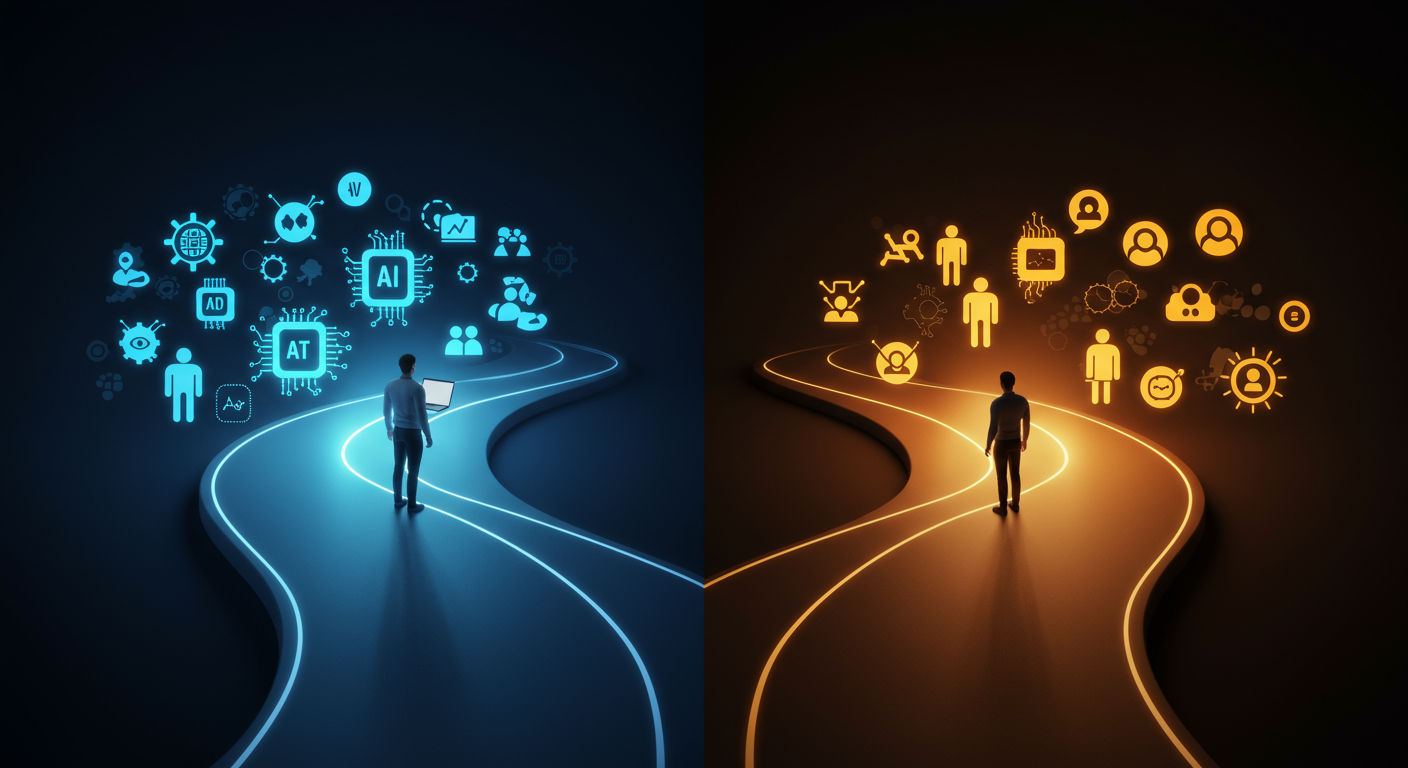
Welcome to the Wild West of Digital Marketing
Let’s take a moment to appreciate where we are in 2025: AI is writing emails, editing videos, suggesting captions, and—yes—generating lifelike humans that don’t exist. We’re officially in the future. 🚀
But as exciting as all this tech is, it comes with a twist: ethics. You know, that inner voice that asks, “Wait, should we be doing this?”
Today, we’re diving into the fast-evolving world of social media marketing through the lens of ethics—focusing on two big players: AI-generated content and deepfakes. Whether you’re a brand strategist, content creator, small business owner, or digital marketer juggling 10 platforms, this post is for you.
We’ll explore:
- What these trends are (without the jargon),
- Why they’re both exciting and risky,
- And how to navigate them responsibly and successfully.
Ready? Let’s unpack the digital marketing Pandora’s box. 🧠📱
1. What Exactly Is AI-Generated Content?
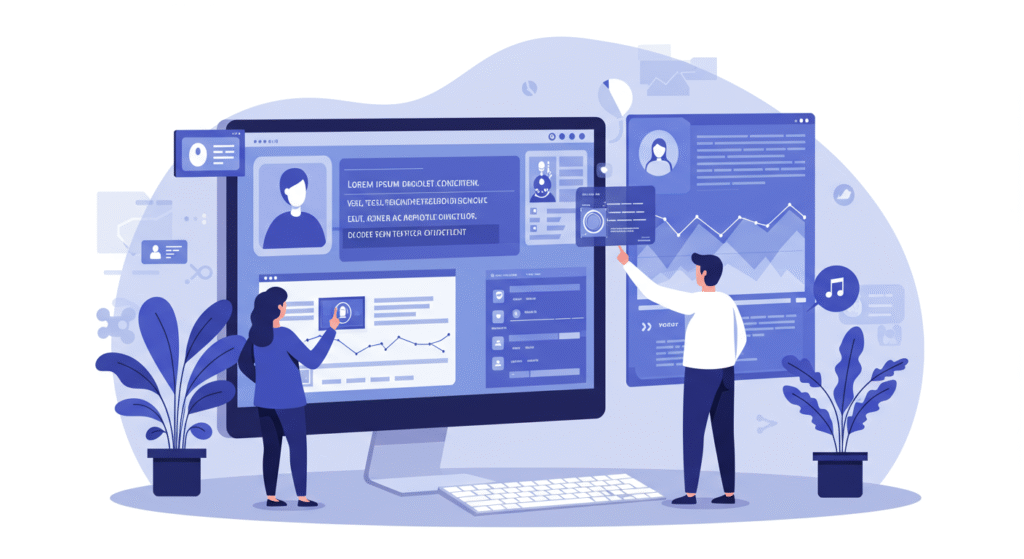
Imagine telling a machine, “Write a blog post on Instagram engagement,” and it actually does it—in under a minute. That’s AI-generated content in a nutshell. Tools like ChatGPT (hi! 👋), Jasper, Copy.ai, and Canva’s Magic Write are helping marketers create everything from:
- Blog articles and social media captions
- Email campaigns and product descriptions
- Ad copy and even video scripts
These tools are affordable, fast, and (let’s be honest) pretty darn good.
Ethical Dilemma: Who’s the Author?
When content is written by AI, there’s a blurred line of authorship. Should you disclose that a tool helped? Is it “cheating” if you use AI to write LinkedIn posts? What if you’re using AI-generated customer testimonials (yes, people are doing that 😬)?
Real-World Example
A skincare brand used AI to generate before-and-after stories of customers. Problem? Those “customers” didn’t exist. When they got caught, their credibility tanked—fast.
Takeaway:
💡 Transparency builds trust. If AI helps you create something, that’s okay! Just don’t pretend it didn’t. Consider adding a note like “Created with AI assistance” or keeping it clearly editorial. Think of AI as a co-writer, not a ghostwriter.
2. The Rise of Deepfakes: Terrifying or Trendy?
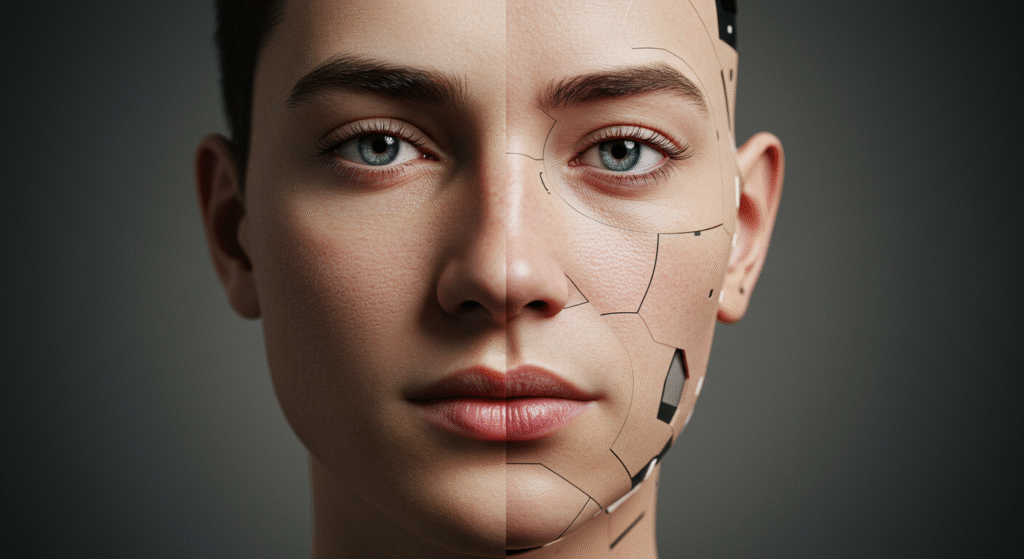
Deepfakes are AI-generated videos or images that manipulate someone’s face or voice to say or do things they never did. While they’ve been used in movies and memes, they’re now creeping into marketing.
Yes, really.
Brands are experimenting with deepfake influencers and resurrected celebrities to promote products. It’s cool—and a little creepy.
Ethical Dilemma: Consent and Manipulation
Would you use Morgan Freeman’s voice to sell your productivity app? What if it sounds like him but isn’t? What if you create a digital version of your CEO to present webinars 24/7? These scenarios raise huge ethical red flags.
And let’s not even get into political misinformation, scams, or fake customer reviews. Deepfakes aren’t just fun filters—they can be weaponized.
Takeaway:
🔐 Always get informed consent. If you’re using a likeness, voice, or persona—real or synthetic—make sure it’s legal and ethical. Better yet, avoid anything that even hints at deception.
3. Authenticity in the Age of Automation

Everyone’s talking about authenticity on social media—and for good reason. People can smell a fake from a scroll away.
With AI churning out polished posts and deepfakes making people say things they never said, staying real is more valuable than ever.
Practical Challenge
How do you balance automation with authenticity? Should you automate captions? Use AI for engagement responses? Is it ethical to run a bot that likes and comments automatically?
Takeaway:
🧠 Automate the process, not the personality. Use AI to support your work (e.g., scheduling, grammar checks, generating ideas), but keep your unique voice front and center. Don’t let the bots take the wheel on human connection.
4. Influencer Deepfakes and Virtual Influencers
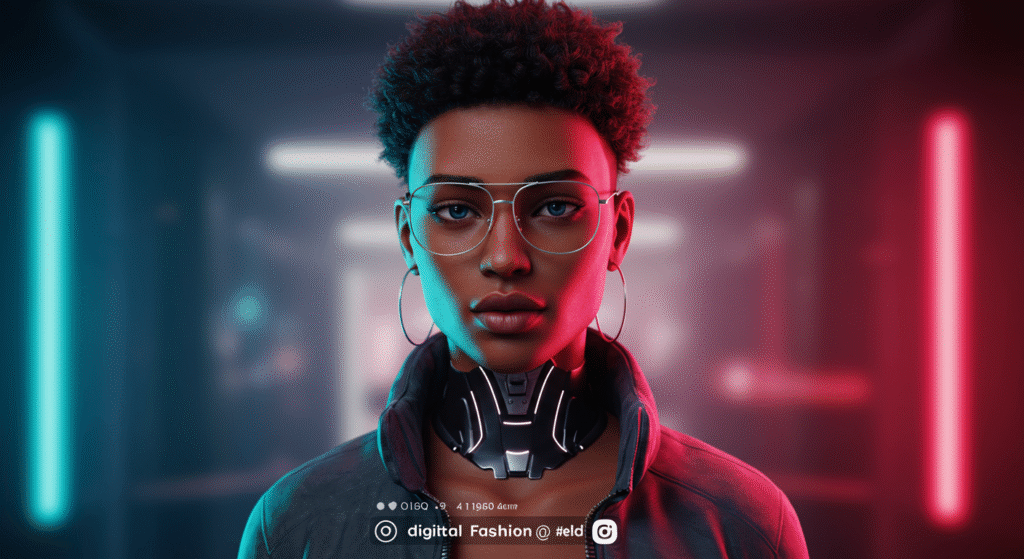
Say hello to Lil Miquela, Shudu, and Imma—fully digital influencers with huge followings. These AI-generated personas wear designer clothes, partner with brands, and even have fake love lives.
From a marketing perspective, it’s genius. No scheduling conflicts. No scandals. No actual people.
But…
Ethical Dilemma: Is It Deceptive?
If followers think these personas are real, isn’t that misleading? Are these influencers subject to the same guidelines as human ones? Who’s responsible when they “say” something problematic?
Takeaway:
👁️🗨️ Be crystal clear that it’s virtual. Disclose the nature of your influencer—whether it’s an avatar or a human—so your audience isn’t tricked. It’s okay to use virtual personas as long as your audience is in on the joke.
5. AI-Enhanced Imagery and “Perfect” People
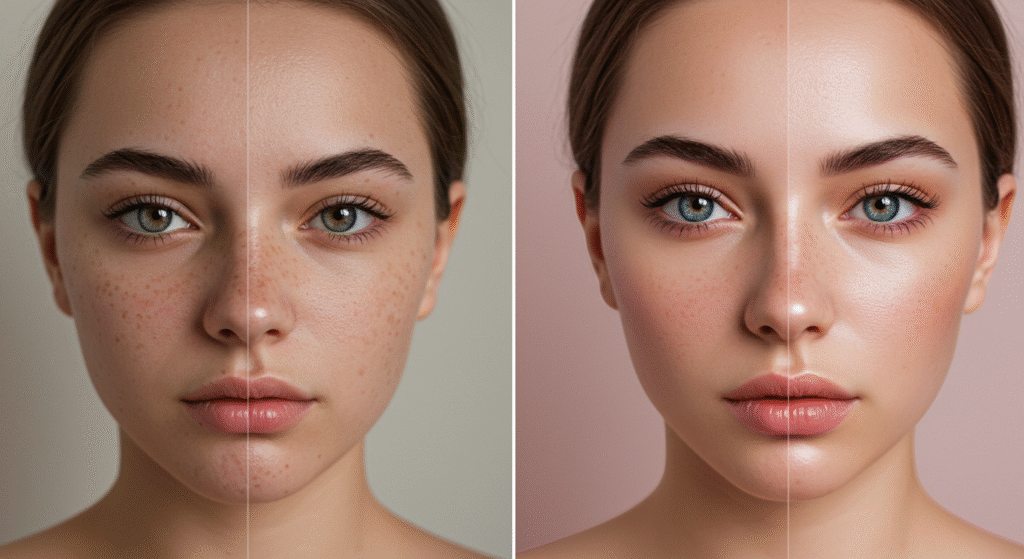
AI image editors can smooth skin, remove blemishes, fix lighting, and make a 40-year-old look like a filtered 22-year-old. Brands often use these tools to polish their ads and influencer posts.
But when does enhancement turn into deception?
Ethical Dilemma: Body Image and Unrealistic Standards
Studies show that AI-edited content can fuel low self-esteem, especially among young users. When every post is airbrushed perfection, what does that do to our perception of reality?
Takeaway:
❤️ Promote realness. Enhance for quality, not fantasy. If you’re editing photos, avoid altering body shape, skin tone, or facial structure unless it’s part of a clearly disclosed artistic or campaign style.
6. AI-Generated Reviews and Testimonials
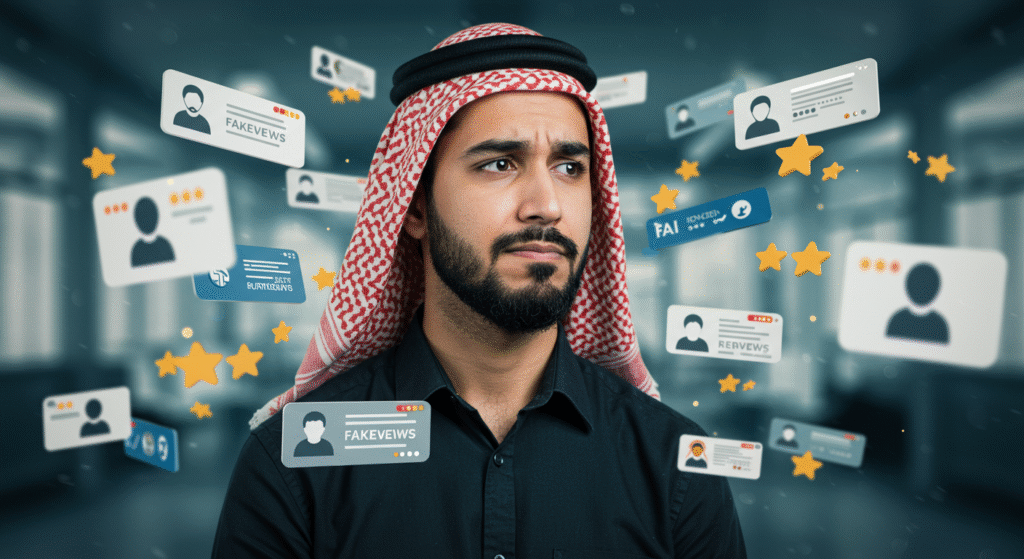
Ever seen a glowing review that seemed a little… too perfect?
Some businesses are using AI to pump out fake testimonials or social proof. The kicker? They include fake names, fake avatars, and even fake dates.
Ethical Dilemma: Trust and Truth
Social proof works because we trust real people’s experiences. Fake testimonials aren’t just unethical—they’re illegal in many places and violate FTC regulations.
Takeaway:
🛑 Never fake a testimonial. If you’re short on reviews, ask real customers for feedback. Use AI to clean up grammar or summarize longer quotes—but never to fabricate.
7. The Invisible Watermark: Should AI Content Be Labeled?
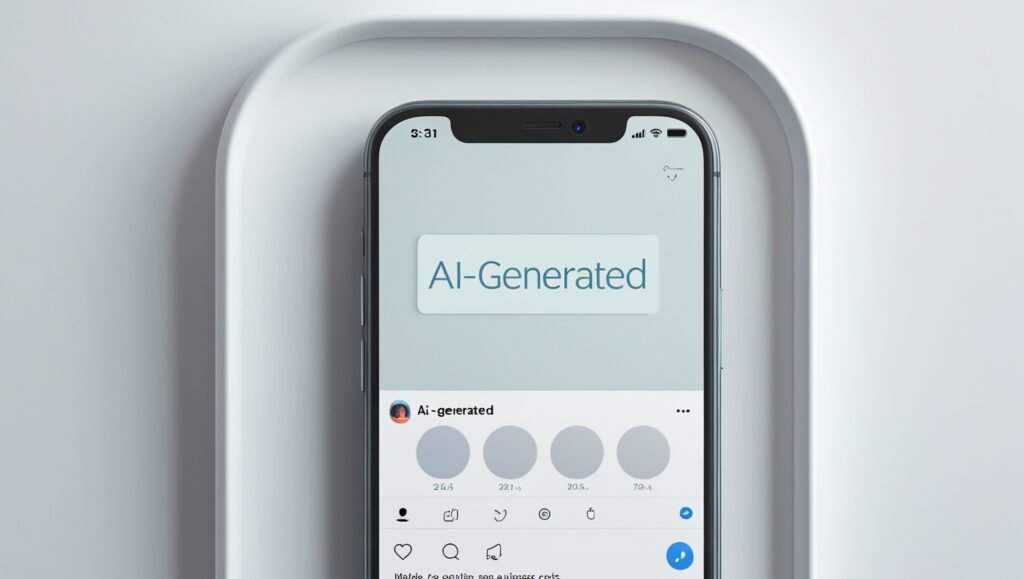
There’s a growing movement to watermark or label AI-generated content. Some platforms (like TikTok and YouTube) are already requiring disclosures for synthetic media. Governments are starting to regulate it too.
So… should you tell people when content is made by AI?
Ethical Dilemma: Transparency vs. Aesthetic
Some marketers worry that labeling AI content might hurt engagement. Others argue that not disclosing it is manipulative.
Takeaway:
🔍 When in doubt, label it. Build audience trust by being upfront. A simple line like “This video was made using AI tools” goes a long way.
8. Responsibility and Accountability: Who Gets the Blame?

Let’s say your AI tool generates a tweet that offends a demographic, misquotes data, or even spreads misinformation. Who’s responsible—your marketing team, the platform, the algorithm?
Unfortunately, “the AI did it” doesn’t fly in a court of law (or the court of public opinion).
Takeaway:
🧾 Human oversight is non-negotiable. Always review content before it goes live. Use AI, but don’t blindly trust it. It’s your brand on the line—not the bot’s.
9. Ethics vs. Efficiency: The Marketer’s Dilemma
We get it. You have deadlines, KPIs, and five platforms to manage. AI makes life easier—but at what cost?
There’s a temptation to prioritize convenience over ethics. But here’s the truth: shortcuts that sacrifice integrity rarely pay off long-term.
Practical Tips for Staying Ethical and Efficient
- ✅ Use AI for ideation, not imitation
- ✅ Keep a human editor in the loop
- ✅ Disclose synthetic content clearly
- ✅ Stay up to date with FTC and platform guidelines
- ✅ Think: Would I be okay explaining this to my audience—or my boss?
10. Where Are We Headed? The Future of Ethical AI Marketing
We’re just getting started. In the next few years, we’ll see:
- Government regulation of AI-generated content
- Legal accountability for synthetic media
- AI that can mimic tone, personality, and even emotion
- Stricter disclosure rules for influencers and advertisers
And you know what?
That’s a good thing.
Ethical marketing isn’t about saying “no” to innovation—it’s about using it with care, creativity, and consciousness.
TL;DR Summary: Use AI, But Don’t Lose Your Humanity
AI-generated content and deepfakes are powerful tools. Used wisely, they can elevate your brand. Used carelessly, they can destroy trust.
Key Ethical Best Practices:
- Be transparent about AI involvement
- Don’t deceive your audience—ever
- Get consent for likeness and voice
- Review everything before publishing
- Use AI to support creativity, not replace it
Your Turn: Let’s Talk Ethics!
What’s your take on AI and deepfakes in marketing? Have you seen something amazing—or horrifying—on your feed lately?
👇 Drop a comment, share your thoughts, or tell us how you navigate these challenges. Let’s learn from each other and build a better (and more ethical) digital world.
If you found this helpful, share it with your team or that friend who lives in Canva and ChatGPT. 😉
Stay smart. Stay ethical. Stay human.
Would you like this turned into a downloadable PDF, repurposed into LinkedIn carousels, or sliced into a short-form video script series? Let me know!